
If you're in London and want to make money by creating user-generated content (UGC), you're not alone. Thousands of people are turning their phones, cameras, and real-life moments into paid gigs - from filming TikTok-style ads for local cafes to recording unboxing videos for startups. But getting started isn’t just about posting more videos. It’s about knowing who to pitch, how to price yourself, and where to find real clients who will pay you consistently.
What Exactly Is UGC?
User-generated content is any photo, video, or review made by regular people - not professional studios. Brands love it because it feels real. A customer filming themselves using a new skincare product? That’s UGC. A student reviewing a coffee shop on Instagram Reels? That’s UGC too. Unlike polished ads, UGC doesn’t need fancy lighting or a script. It just needs authenticity. And in London, where consumers are flooded with ads, brands are desperate for content that doesn’t feel like ads.
Companies like Deliveroo, Gymshark, and even smaller local businesses in Shoreditch and Peckham are hiring UGC creators every week. You don’t need 100K followers. You don’t even need a fancy camera. You just need to show up, be yourself, and deliver what they ask for.
Step 1: Define Your Niche
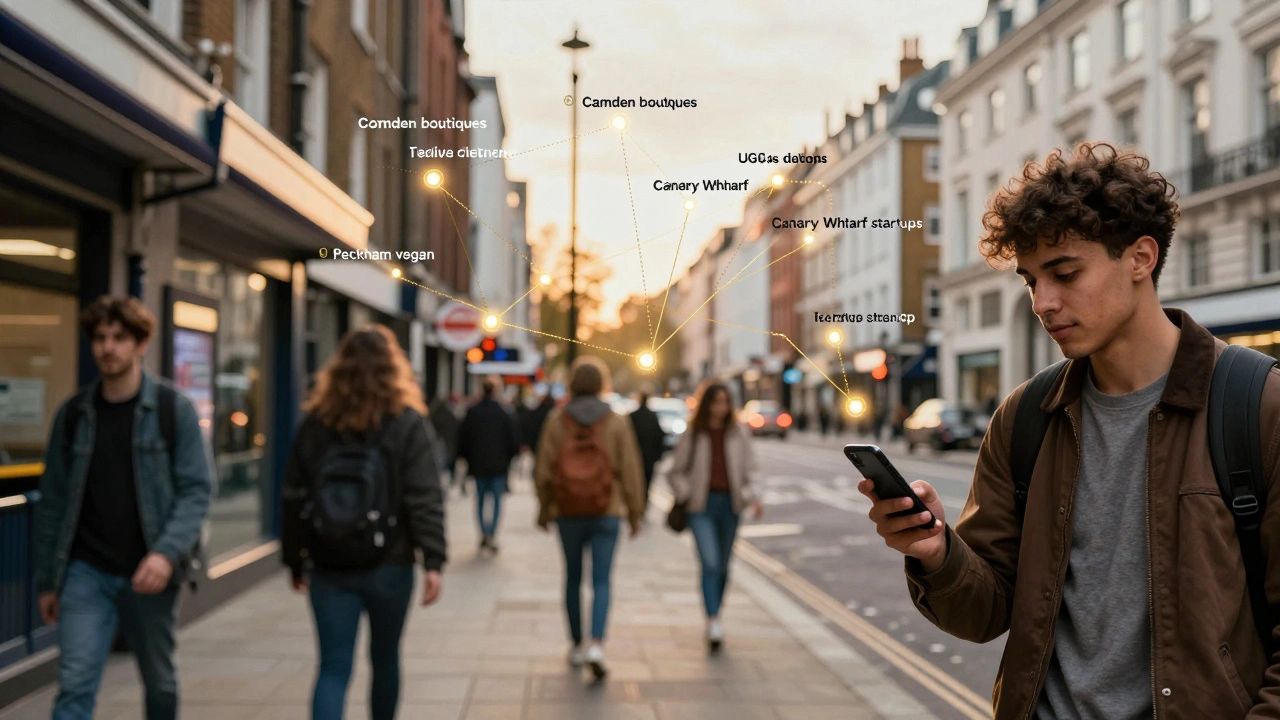
Trying to be everything to everyone won’t work. London is huge, and competition is real. Instead of saying you’re a "content creator," get specific. Are you good at filming food? Then become the go-to person for London brunch spots. Love streetwear? Target sneaker brands in Camden. Can you talk calmly while showing off a new app? You’re perfect for fintech startups in Canary Wharf.
Here are three proven niches in London right now:
- Food & Drink: Cafes, vegan restaurants, craft breweries. These places need content that makes people hungry.
- Local Fashion: Independent boutiques in Notting Hill, Brick Lane, or Brixton. They want real people wearing their clothes, not models.
- Tech & Apps: Startups in Shoreditch need tutorials, unboxings, or "day in the life" clips showing how their app solves a problem.
Once you pick a niche, start documenting it. Film yourself going to your favorite coffee shop. Record your morning routine with a new skincare routine. Post it. Don’t wait for permission. The more you post, the more you’ll learn what works - and who notices.
Step 2: Build Your Portfolio (Even If You’re Starting From Zero)
You don’t need clients to build a portfolio. You need curiosity.
Here’s how to do it:
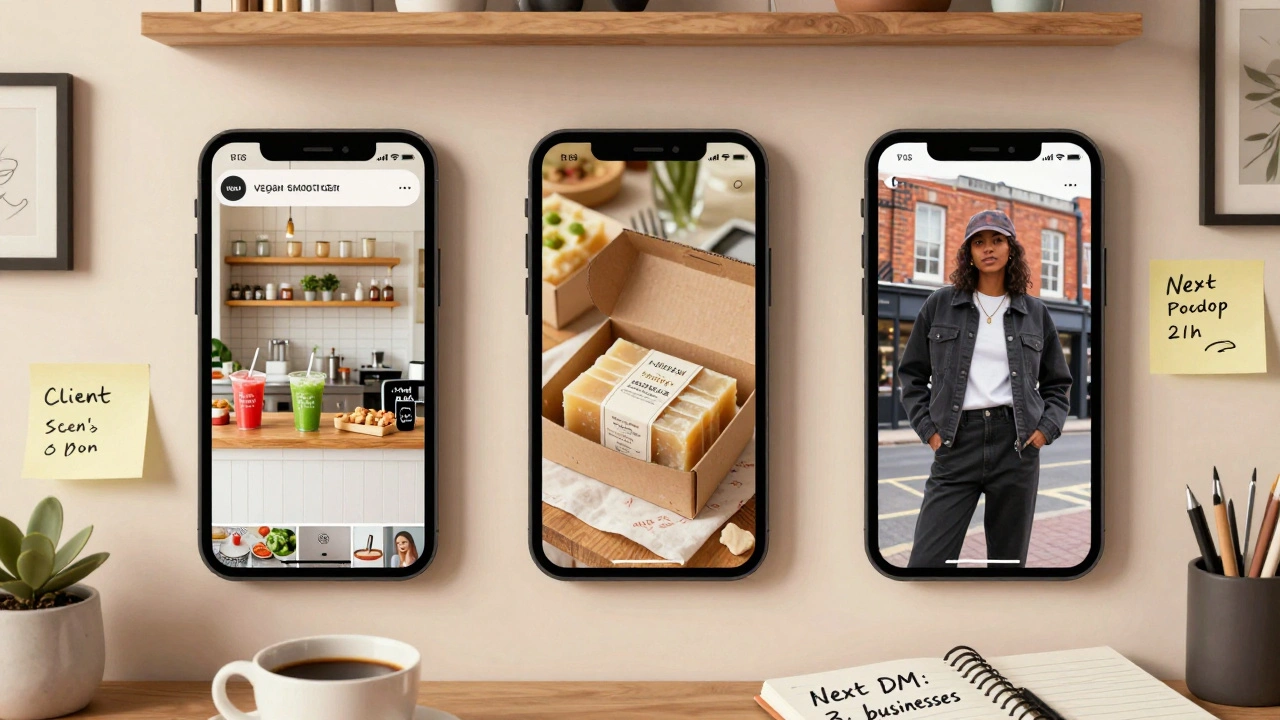
- Find three small London businesses with under 5K Instagram followers. These could be a plant shop in Hackney, a local yoga studio, or a handmade soap brand in Peckham.
- DM them: "Hi, I’m a UGC creator based in London. I’d love to create a short video for you - free - just so I can build my portfolio. I’ll tag you and share it widely."
- Do it. Film them. Edit it. Post it. Thank them.
Within two weeks, you’ll have three real examples. Not stock photos. Not staged shoots. Real content made in London, by a real person. That’s gold.
Also, create one 30-second video that shows your style. Maybe you’re the person who films coffee being poured with natural light. Or the one who talks directly to the camera while walking through a market. Put that video on your Instagram bio. Link it everywhere. Make it easy for brands to say yes.
Step 3: Where to Find Clients
There are three main places London-based UGC creators find work right now:
- Instagram DMs: Search hashtags like #UGCcreatorlondon, #LondonContentCreator, or #UGCforbrands. Find brands posting about their products. Send them a simple message: "I saw your post. I’m a UGC creator in London and I’d love to make a short video for you. Here’s my work: [link]."
- Facebook Groups: Join groups like "UGC Creators UK" or "London Freelancers Network." People post paid gigs daily. One post this week offered £150 for a 60-second video of someone using a new protein powder in a North London gym.
- Platforms like Fiverr and Upwork: Filter for "UGC video" and "London". Many clients prefer local creators because they can meet in person or send products easily.
Pro tip: Don’t wait for clients to find you. Set up a simple Google Sheet. List 50 local businesses you’d like to work with. Every Monday, send three DMs. Track replies. Adjust your message. Repeat.
Step 4: How to Price Yourself
Here’s what’s actually paying in London as of early 2026:
| Project Type | Price Range | Time Required |
|---|---|---|
| Single 15-30s Reel (social only) | £50-£120 | 1-2 hours |
| 3-video pack (Instagram + TikTok + YouTube Shorts) | £180-£300 | 3-5 hours |
| Day rate (on-site filming + editing) | £200-£400 | Full day |
| Monthly retainer (2-3 posts/week) | £800-£1,500 | Ongoing |
Start low. Charge £60 for your first gig. But always ask for a testimonial. After three paid jobs, raise your rate. By your sixth job, you should be charging £150+. Most creators in London who stick with it hit £1,000/month within 4-6 months.
Step 5: How to Book Clients - The Real Script
Most people fail because they send boring DMs. Here’s what works:
Bad: "Hi, I do UGC. Can I work with you?"
Good: "Hi [Name], I loved your new oat milk latte launch. I’m a UGC creator based in London and I’ve made videos for 8 local cafes in the past month. I’d love to film a 30-second video of someone enjoying your drink in a real setting - no script, just real reactions. I’ll send you 3 clips in 24 hours. No charge for the first one - just a tag and feedback. Interested?"
See the difference? You’re not asking for permission. You’re offering value. You’re showing you’ve done this before. And you’re making it easy.
Also, always include a link to your portfolio. Even if it’s just three videos on Instagram. Make sure it’s easy to view on mobile. Most clients are scrolling on their phones.
What to Avoid
Don’t wait for the "perfect" camera. A phone with good lighting works.
Don’t try to be funny or edgy if that’s not you. Brands want real, not performative.
Don’t say "I’ll do it for exposure." That’s not a business. Say "I’ll do it for £80," and if they say no, move on.
Don’t post 10 videos a day. One good video every 3-4 days is better than 10 rushed ones.
Real Example: How a Student Made £1,200 in 90 Days
Meet Maya. She’s 20, studies at UCL, and films her morning routine. She started by DMing three local smoothie bars. Got one gig: £75 for a 25-second video. She posted it. Got tagged. Got a comment from a vegan skincare brand. They asked for a video. She charged £120. Then a yoga studio. Then a sustainable fashion brand. By day 90, she had five repeat clients. She now books two weeks ahead. No agency. No manager. Just consistency.
She didn’t have a big following. She didn’t have a studio. She just showed up - the same way, every time.
Final Tip: Treat It Like a Job
UGC isn’t a side hustle. It’s a job. You’re a content producer. You have deadlines. You have clients. You have deliverables. Treat it like one.
Set up a calendar. Block time to film. Block time to edit. Block time to pitch. Use free tools like Notion or Google Calendar. Track your income. Track your outreach. Celebrate small wins.
London is full of brands that need real people. You don’t need to be famous. You just need to be reliable. Show up. Deliver. Ask for the next job.
Start today. Film one video. Send one DM. That’s all it takes.
Do I need a large following to book UGC clients in London?
No. Most brands care more about how you film and how authentic you look than how many followers you have. A creator with 1,200 followers who films natural, well-lit videos often gets hired over someone with 50K who looks overly polished. Focus on quality, not quantity.
What equipment do I need to start?
Just your smartphone and natural light. A cheap tripod (£15 on Amazon) helps keep your shots steady. A small ring light (£20) is useful for indoor shots, but not required. Editing apps like CapCut or InShot are free and powerful enough. You don’t need a camera, mic, or studio.
Can I do this part-time while working or studying?
Absolutely. Most UGC gigs take 1-3 hours per video. You can film during lunch, after class, or on weekends. Many students and part-time workers in London are making £500-£1,000/month this way. It’s flexible, scalable, and doesn’t require you to quit your day job.
How do I handle payments?
Use PayPal, bank transfer, or Wise. Never agree to work "for exposure." Always ask for payment upfront or at delivery. For repeat clients, set up a simple invoice template (free on Google Docs). Record every payment. It helps you track growth and prove income if you need it later.
What if a brand asks me to do something I’m not comfortable with?
You have full control. If a brand asks you to lie, exaggerate, or promote something you don’t believe in - say no. Your authenticity is your value. One bad gig can damage your reputation. Better to lose a £100 job than risk your credibility. Real clients respect boundaries.