The Soul of British Dining
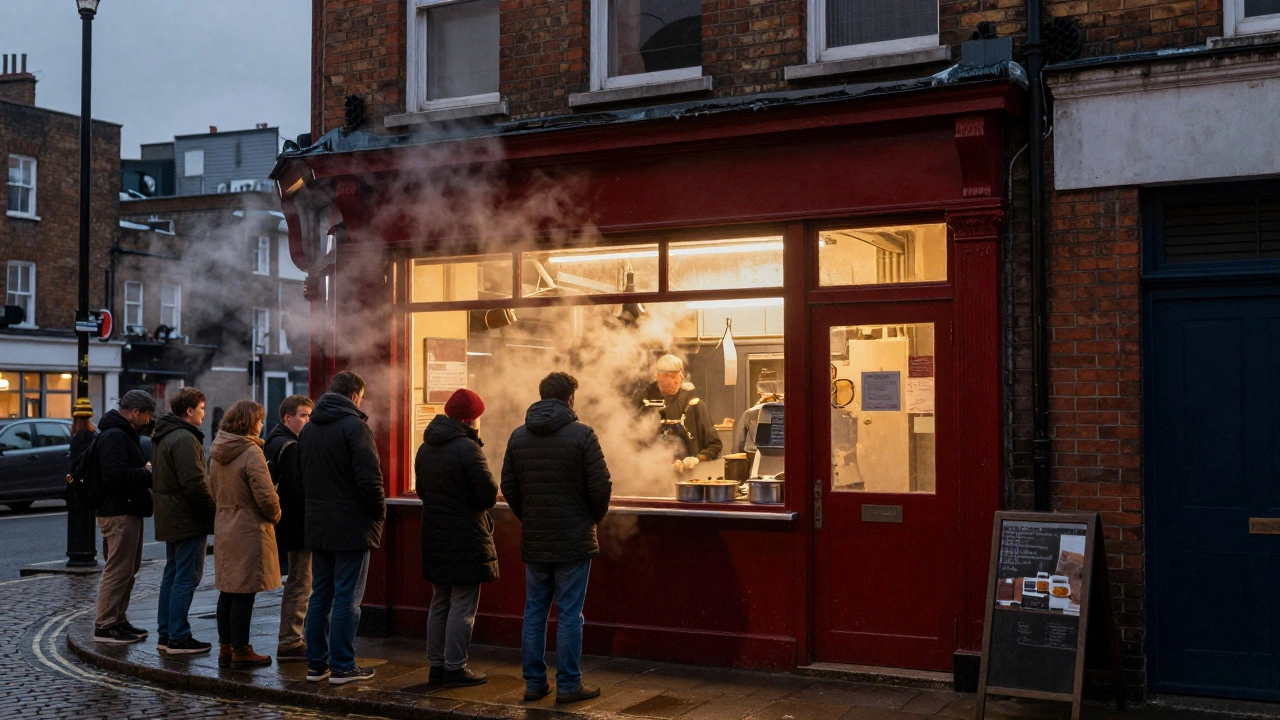
Fish and Chips is a classic deep-fried dish consisting of fried white fish in a crispy batter served with fried potatoes. Also known as Fries and Cod, it has been a staple of British cuisine since the 19th century. You cannot visit London without trying this dish. It is everywhere, yet finding the real deal requires knowing where to look. The streets of London smell different when you get near a good kitchen. That scent of frying oil and vinegar cuts through the traffic exhaust instantly.
Many tourists mistake fast-food outlets for authentic spots. You need to understand what separates a corner takeaway from a proper Chip Shop. The difference lies in the preparation methods and the ingredients used. We will walk through exactly how to spot quality, where the best kitchens operate in London, and what you should order to experience the tradition correctly.
Anatomy of the Perfect Plate
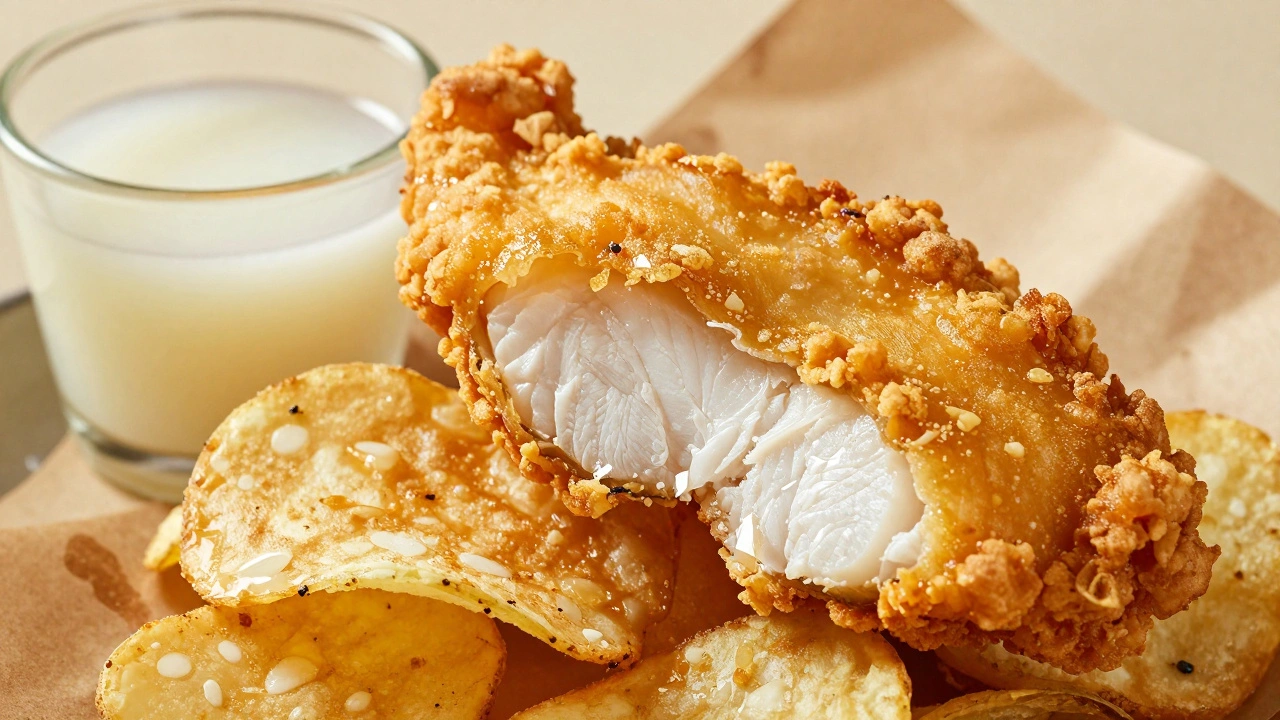
To appreciate the dish, you must recognize its components. Most places in central London serve frozen products wrapped in paper that disintegrates in rain. Authenticity starts with the fish. The two standard choices are Cod and Haddock. Cod offers a firmer texture and mild sweetness, while Haddock provides a flakier profile with slightly more sugar content naturally.
| Fish Type | Texture | Flavor Profile | Average Price per Portion (2026) |
|---|---|---|---|
| Cod | Firm, meaty | Mild, sweet | £8.50 - £12.00 |
| Haddock | Flaky, delicate | Slightly sweeter, richer | £7.50 - £10.00 |
| Rock Salmon | Dense, flaky | Stronger flavor | £9.00 - £13.00 |
Batter is equally important. Good batter should be thin, shattering crisp when bitten, and dry to the touch rather than greasy. The secret often lies in the carbonation of the water mixed with the flour. Cold beer is sometimes added for yeast activation. If the coating absorbs too much oil, the kitchen was likely overcrowded or the oil was old. Old oil tastes rancid. In 2026, many London shops have switched to high-quality olive blends, but traditionalists still prefer groundnut oil for its neutral heat tolerance.
The chips themselves matter just as much. They are usually cut thick and par-boiled before frying. This prevents them from falling apart. Look for skin-on potatoes if you want an earthier taste. Many establishments in Borough Market peel them for a uniform look, which sacrifices some nutritional value and flavor.
Locating the Best Kitchens Across Boroughs
London is vast, and food geography changes block by block. Different areas specialize in different styles. You should plan your route based on the vibe you want. Do you want a sit-down historic pub experience, or a quick grab-and-go street meal?
East End and Shoreditch
This area holds the historical heart of the industry. During the 20th century, Jewish immigrants established the first dedicated shops here. Spitalfields remains a hotspot. Walk along Wick Street, and you will see older family-run counters alongside modern gastropubs. Prices here reflect the demand. Expect to pay between £10 and £15 for a full meal including mushy peas. Service is usually standing-room only.
Borough Market and Southwark
If you prioritize ingredients over history, head south of the Thames. Borough Market hosts stalls serving high-end variations. Here, you might find hand-dived crustaceans paired with tempura-style batter. The atmosphere feels more upscale. It is less about the grease-stained wrapper and more about the plate setting. This is ideal for lunch breaks.
Canary Wharf and Docklands
In these financial districts, the focus shifts to convenience and speed. Many pop-up vans service office workers here. While convenient, they often rely on pre-battered frozen fillets. The convenience comes at a cost to flavor. However, some weekend markets near Canary Wharf import proper ovens for fresh cooking.
Ordering Etiquette and Customizations
Walking into a busy shop involves rhythm. Order quickly and take your number. Staff move fast; lingering blocks the line. There are terms you should know. "A pack of" means taking them home in paper. "To go" implies eating immediately nearby. Asking for extra vinegar is free in most traditional joints.
- Vinegar: White malt vinegar is standard. Some places offer malt vinegar powder packets.
- Tartar Sauce: Not always complimentary, ask before eating if it costs extra.
- Paprika/Salt: Usually available at the counter for seasoning.
Avoid asking for ketchup. In a serious London setting, ketchup undermines the saltiness of the batter. It clashes with the brine of the fried potatoes. Instead, opt for a squeeze of lemon if you want acidity without the vinegary punch.
History and Cultural Weight
Why does this dish persist? During World War II, rationing made fish and chips a rare treat. After the war, shops became social hubs. They were accessible to everyone regardless of income. Today, the culture continues, though the economics shift. The National Health Service data suggests consumption is down due to health awareness, yet tourism keeps sales high.
Sustainability is a major change for 2026. Many suppliers now source MSC-certified Atlantic species to protect stocks. Overfishing threatened the Cod supply chains in previous decades. Reputable shops now display certification tags near their till points. Checking for the MSC blue label confirms you are buying responsibly sourced seafood.
Pricing and Budget Realities
You might worry about costs before visiting. Prices vary wildly depending on location. A casual street stand in Hackney charges significantly less than a restaurant seat in Covent Garden. A typical budget allocation for a solo diner is around £12. If you add a soda and dessert, the total reaches £20. Cash is accepted almost everywhere, though contactless cards dominate payment terminals now.
Lunch deals exist. Between 12:00 PM and 2:00 PM, some larger chains offer reduced prices. These are rarely found in the historic small shops because margins are already slim there. For the best balance of price and quality, target mid-afternoon slots when lines shorten.

Health and Nutrition Facts
Nutrition profiles vary significantly. Standard portions contain roughly 500-700 calories depending on fry depth. The oil absorption is the variable factor. High-quality establishments replace oil frequently, preventing the heavy feel. If digestion is a concern, choose grilled fish alternatives which many modern pubs now stock.
Allergies remain critical. The batter contains gluten, and the fryers cross-contaminate with nuts occasionally. Always state allergies clearly to staff. Even a trace amount can cause severe reactions. Most reputable shops separate allergen-free fryers upon request.
Preserving the Tradition
Gentrification threatens many old-school vendors. Rent increases push small businesses out of popular zones. Support independent operators who keep the legacy alive. When you buy from them, you help maintain the heritage. Large franchises may offer consistent hygiene, but they lack the soul of neighborhood commerce. Prioritize local names.
Keep an eye on seasonal specials. Freshwater fish varieties appear sometimes in summer months. These are smaller, pricier, but offer variety beyond standard cod. Try asking the cook for recommendations if you want to branch out without leaving the safe zone of familiarity.
Common Pitfalls to Avoid
Some traps catch unwary visitors. First, avoid tourist-trap chains located directly outside major landmarks. These usually charge double prices for inferior quality. Second, check the queue behavior. If people inside seem unhappy or waiting excessively long, the kitchen is likely overwhelmed. Long waits result in soggy products.
Storage matters too. Wrap leftovers tightly. Leftover fish loses texture within hours. Reheat using a toaster oven rather than a microwave to restore crispiness. Microwaving turns the batter rubbery and unappealing.
Where can I find gluten-free fish and chips in London?
Most traditional chippies use wheat flour. Search specifically for gluten-free batter options in Borough Market or specialized celiac-friendly restaurants in Soho. Always confirm with staff that the fryer is dedicated to non-gluten items to prevent cross-contamination.
Is it acceptable to wrap fish in newspaper?
No. While historically common, regulations in 2026 prohibit printing ink on food packaging for safety reasons. Proper brown craft paper is the standard wrapper material used now.
What time do most chip shops close?
Hours vary by district. Central London locations often open until 10:00 PM on weekdays and later on weekends. Smaller suburban shops typically close by 9:00 PM. Check Google Maps listings for real-time updates.
Do I need to tip the server?
Tipping is not customary for counter-service chip shops. Leave change in the box if available, but it is generally optional. Sit-down restaurants may include service charges automatically on the bill.
Can I find vegetarian versions of this dish?
Vegetarian options usually involve battered mushrooms or cauliflower. These are increasingly available in major hubs like Oxford Street and Camden. Always verify the batter is vegan if following strict plant-based diets.