Whitechapel Markets: Explore London’s Most Vibrant Street Markets
When you step into the Whitechapel markets, a network of bustling, multi-generational street markets in East London known for their raw energy, cultural diversity, and unbeatable prices. Also known as Whitechapel Road markets, they’re not just places to shop—they’re living rooms for the community, where generations of immigrants have built businesses, shared traditions, and kept local life humming.
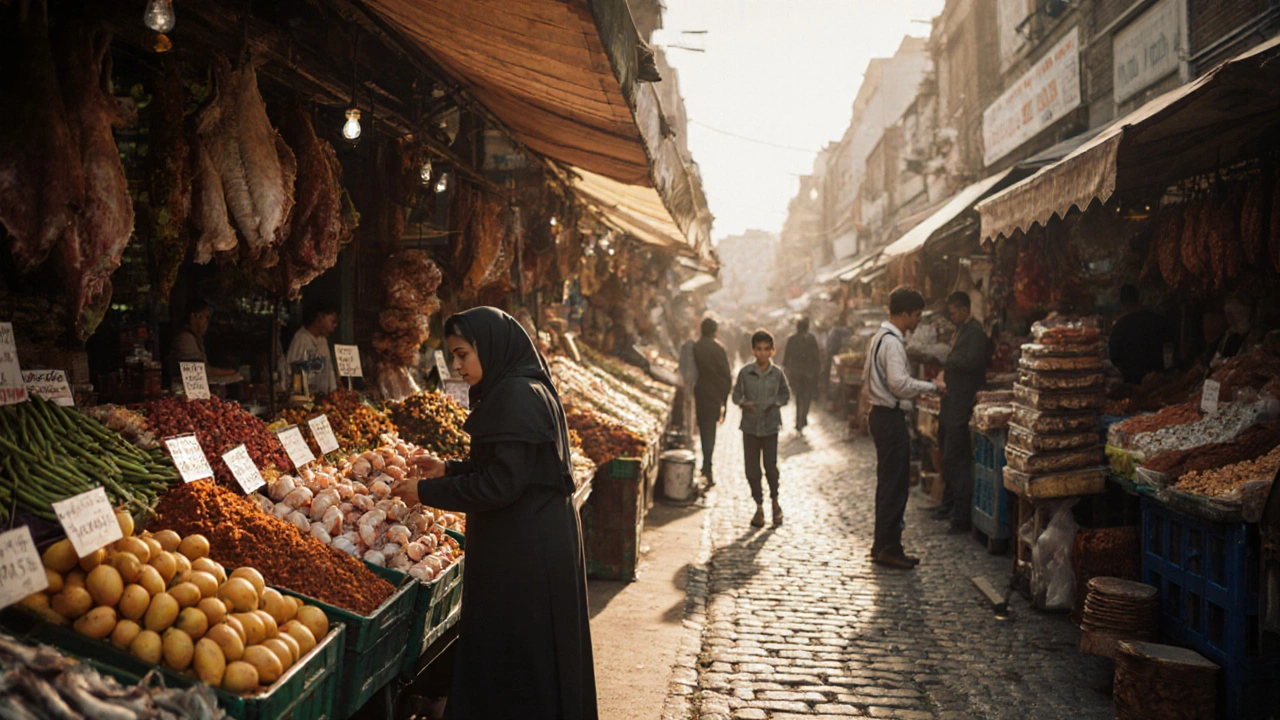
These markets are built on layers of history. Since the 1800s, Whitechapel has been a landing point for new arrivals—from Jewish tailors in the early 20th century to Bangladeshi traders who turned the area into one of London’s biggest South Asian food hubs. Today, you’ll find Whitechapel food stalls, offering everything from sizzling kebabs and fresh parathas to halal butchers and chai carts that stay open past midnight tucked between stalls selling imported spices, traditional saris, and secondhand vinyl. It’s not tourist theater. This is real commerce, run by families who’ve been here for decades. The East London markets, a broader category that includes nearby Brick Lane and Bethnal Green, but Whitechapel stands out for its density, authenticity, and lack of polish don’t care about Instagram filters. They care about keeping prices low, serving the neighborhood, and staying open when other places have shut down.
What makes these markets different from the ones in Covent Garden or Camden? For starters, you won’t find overpriced hoodies or mass-produced tote bags. Here, you’ll haggle over a kilo of turmeric, pick out a hand-stitched kurta, or grab a warm samosa still steaming off the griddle. The Whitechapel shopping, a daily ritual for locals who rely on these stalls for groceries, clothing, and household goods is practical, personal, and deeply connected to identity. You’ll see grandmothers trading recipes with spice sellers, young artists bartering for fabric to make their own designs, and teenagers buying their first pair of sneakers from a stall that’s been there since 1992.
There’s no single Whitechapel market—it’s a chain of open-air stalls stretching along Whitechapel Road, tucked into side alleys, and spilling into the nearby streets on weekends. The main stretch runs from Aldgate East to Stepney Green, with the busiest days being Friday and Saturday. You’ll find the biggest selection of halal meat at the butchers near the old market hall, the freshest fruit at the Punjabi vendors near the mosque, and the cheapest jeans in the city at the secondhand clothing rows behind the mosque. It’s easy to miss the hidden gems if you’re just walking through. Take your time. Talk to the sellers. Ask what’s new. They’ll tell you.
These markets don’t just sell things—they keep culture alive. They’re where Bengali weddings are planned, where Nigerian mothers buy fabric for their daughters’ graduation outfits, and where local artists set up pop-up stalls to sell prints of East London street scenes. The Whitechapel markets aren’t a trend. They’re a lifeline. And in a city that’s changing fast, they’re one of the few places that still feel like they belong to the people who live here.
Below, you’ll find real stories, hidden stalls, and practical tips from people who know these markets inside out—from the best time to go for fresh fish to which vendor sells the crispiest pakoras. No fluff. Just what you need to navigate, eat, shop, and understand one of London’s most authentic corners.
Whitechapel: Markets, Galleries, and Cultural Heritage
Explore Whitechapel's vibrant markets, groundbreaking art galleries, and deep cultural heritage in East London - a neighborhood shaped by migration, resilience, and community.
READ MORE