Whitechapel cultural heritage: History, art, and community in East London
At the heart of East London lies Whitechapel cultural heritage, a living tapestry of migration, resilience, and creative expression that has shaped London’s identity for over a century. Also known as East End heritage, it’s not just about old buildings or museums—it’s the sounds of Bengali markets, the brushstrokes of street artists, and the voices of families who’ve lived here for generations.
This heritage doesn’t live in textbooks. It’s in the stained-glass windows of the Whitechapel Bell Foundry, where Big Ben’s bell was cast, and in the walls of the former Royal London Hospital where Jack the Ripper’s story still echoes. It’s in the Bangladeshi-owned corner shops that replaced Jewish bakeries in the 1970s, and in the murals painted over bombed-out buildings after WWII. The Whitechapel art, a dynamic blend of traditional craft and radical street expression. Also known as East End visual culture, it’s what draws global artists to the area today—whether they’re painting on abandoned warehouses or curating shows in converted synagogues. You’ll find it in the annual Whitechapel Open Studios, where local makers open their doors, and in the Bengali New Year parades that fill the streets with color and music.
The Whitechapel community, a tight-knit network of residents, activists, and small business owners who fight to preserve their neighborhood’s soul. Also known as East End residents, it’s what keeps the heritage alive when developers try to erase it. This isn’t a museum piece—it’s a daily struggle and celebration. People here remember when the area was called the poorest in London, and they still remember how it became one of the most culturally rich. You won’t find polished tourist guides here. Instead, you’ll hear stories from elders who watched the docks close, from young designers who turned abandoned factories into galleries, and from mothers who still send their kids to the same school their grandparents did.
What you’ll find below isn’t just a list of articles—it’s a map of where this heritage lives today. From the hidden corners of the Whitechapel Gallery to the spice stalls on Brick Lane, from the archives of the Jewish Museum to the graffiti-covered walls of nearby streets, these stories show you how culture isn’t preserved in glass cases. It’s carried in language, food, rhythm, and resistance. Whether you’re new to London or you’ve lived here your whole life, this is the real East End—not the version sold in postcards, but the one that’s still being written, one conversation, one mural, one meal at a time.
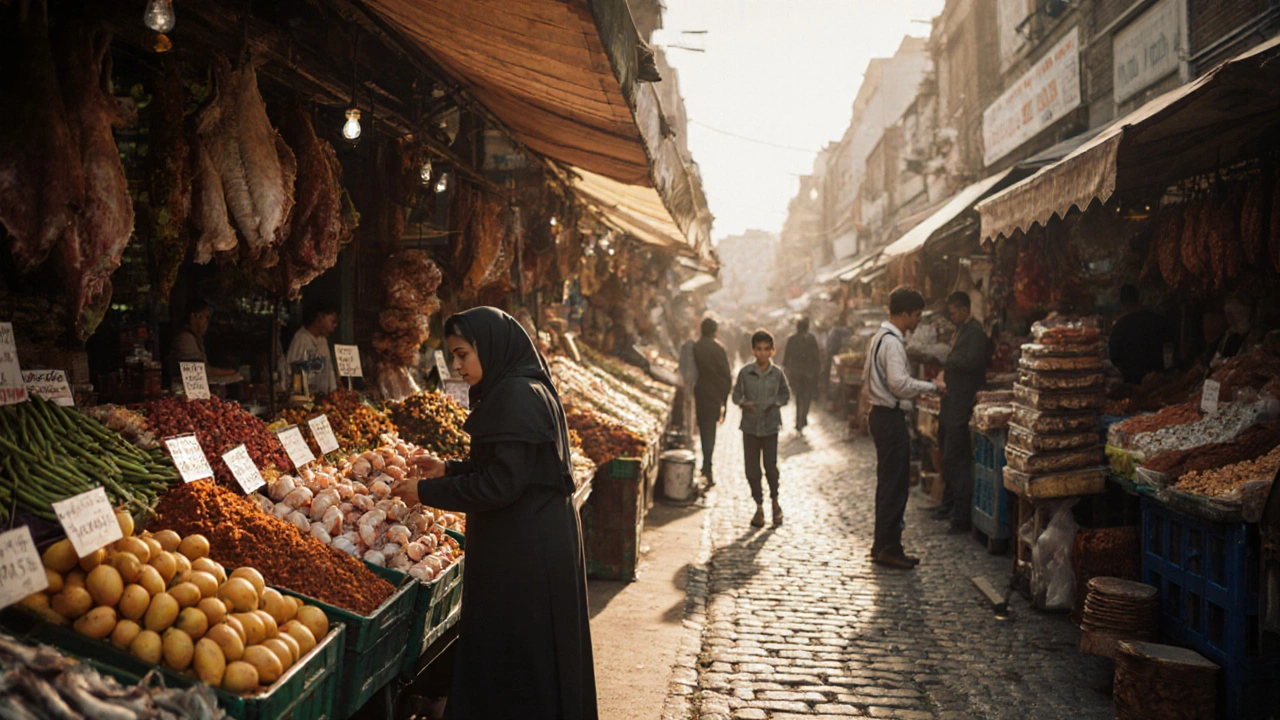
Whitechapel: Markets, Galleries, and Cultural Heritage
Explore Whitechapel's vibrant markets, groundbreaking art galleries, and deep cultural heritage in East London - a neighborhood shaped by migration, resilience, and community.
READ MORE