Whitechapel Attractions: Hidden Gems, History, and Culture in East London
When you think of Whitechapel, a historic district in East London known for its immigrant roots, street art, and turbulent past. Also known as Whitechapel Road area, it’s where the Victorian era meets today’s urban creativity—no filter, no fuss. This isn’t the polished version of London you see in postcards. It’s the real deal: a place where markets still buzz with fresh produce from Bangladesh, murals tell stories of migration and resistance, and old factories now house indie galleries.
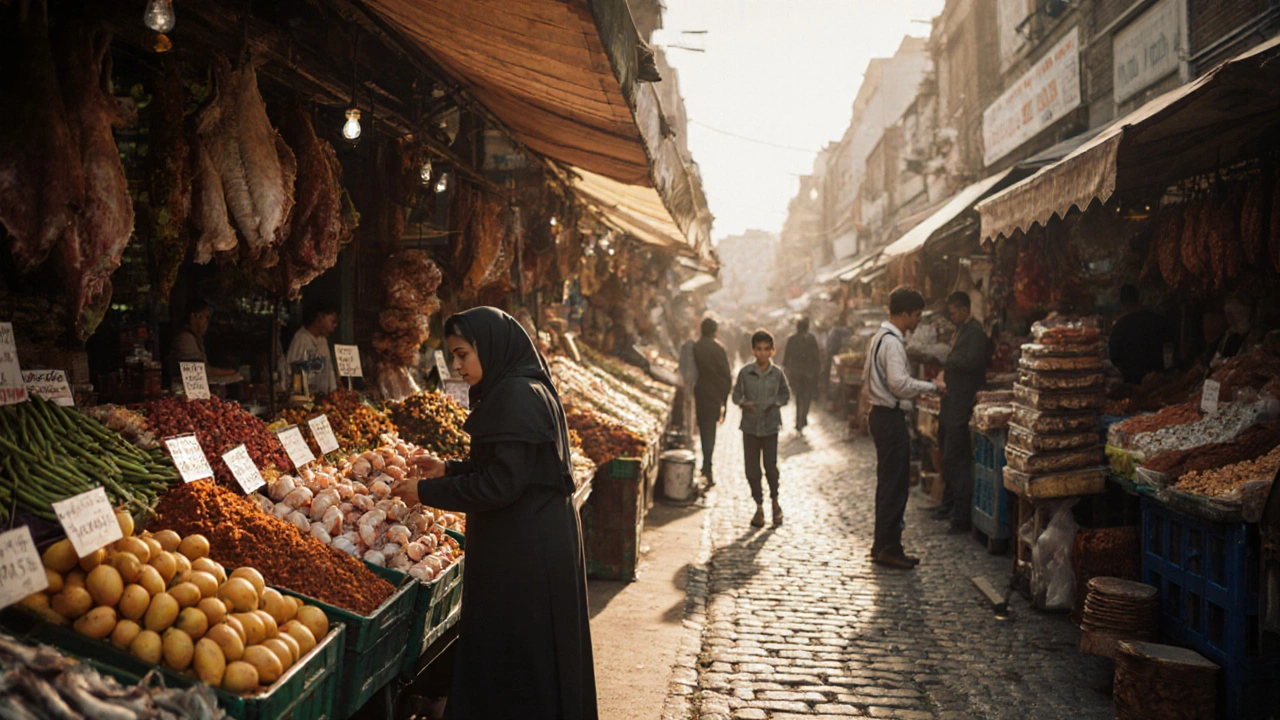
Whitechapel attractions aren’t just places—they’re experiences shaped by decades of change. The Whitechapel Market, a bustling open-air market that’s been feeding and clothing locals since the 1800s. Also known as Whitechapel High Street market, it’s where you’ll find the best samosas in London, cheap vintage clothes, and conversations in half a dozen languages. Just a few steps away, the Whitechapel Gallery, a pioneering contemporary art space that launched the careers of artists like Henry Moore and Tracey Emin. Also known as Whitechapel Art Gallery, it’s one of the few major galleries in London that still charges nothing to enter. You don’t need a ticket to feel the energy here—you just need to show up.
The area’s dark past lingers, too. The Jack the Ripper Tour, a walking route through the alleyways where the infamous murders took place in 1888. Also known as Whitechapel Ripper Trail, it draws visitors not for gore, but for how the community remembers—and reclaims—its history. You’ll hear stories from local guides who live here, not just actors in costumes. That’s the difference. This isn’t a theme park. It’s a living neighborhood.
And then there’s the art. The London Mural Festival, a citywide event that turns blank walls into powerful visual narratives. Also known as East London street art scene, it’s had a major presence in Whitechapel, with pieces that speak to identity, belonging, and survival. Walk down any side street and you’ll find murals of Somali grandmothers, Bangladeshi tailors, and Black activists—all painted by local artists who grew up here. No corporate sponsors. No ads. Just raw, honest storytelling.
Whitechapel attracts people who want more than a quick photo op. It’s for those who want to taste real diversity, feel the rhythm of a community that’s been reshaped by waves of migration, and see how art turns pain into power. You won’t find luxury boutiques or chain coffee shops here—unless they’re owned by locals who’ve turned their family recipes into small businesses.
What you will find is a place that refuses to be erased. The old butcher shops now sell organic kale. The abandoned warehouses host poetry nights. The synagogue next to the mosque shares a courtyard. This is Whitechapel—not as a tourist attraction, but as a living, breathing part of London that still fights to stay true to itself. And that’s why it’s worth seeing.
Whitechapel: Markets, Galleries, and Cultural Heritage
Explore Whitechapel's vibrant markets, groundbreaking art galleries, and deep cultural heritage in East London - a neighborhood shaped by migration, resilience, and community.
READ MORE