West End theatre seats: Where to sit, what to avoid, and how to get the most out of your ticket
When you buy West End theatre seats, the premium seating areas in London’s most famous performance venues, often located in the Stalls, Royal Circle, or Grand Circle. Also known as West End show tickets, they’re not just about seeing a play—they’re about being in the right spot to feel the energy, catch every line, and not miss a single moment. Not all seats are created equal. A £30 ticket in the front row of the Stalls can give you a better experience than a £120 seat in the upper balcony with a blocked view. The difference isn’t just price—it’s perspective.
What makes a good West End theatre seat? It’s not just the price tag. It’s the sightline, the sound, and how close you are to the action. In theatres like the Royal Opera House or the Lyceum, the front rows of the Stalls give you intimacy—you can see the actor’s eyelashes blink. But if you’re tall or hate leaning forward, the middle of the Royal Circle often offers the best balance: clear sightlines, excellent acoustics, and no neck strain. Meanwhile, the very back rows of the upper tiers? They’re cheaper, sure, but you’re watching the show through binoculars. Some people swear by the side seats in the Dress Circle—they’re slightly angled, but you get a full view of the stage without the crowd noise of the center.
Don’t forget the West End theatre booking, the process of reserving seats for performances in London’s commercial theatres, often through official box offices or trusted ticket partners. Also known as theatre seating London, it’s where you avoid scams and hidden fees. Always book through the theatre’s official website or authorized sellers like TodayTix or London Theatre Direct. Third-party resellers jack up prices and sometimes sell seats that don’t exist. And if you’re looking for last-minute deals, the TKTS booth in Leicester Square is your friend—same seats, half the price, same show.
Some shows need better seats than others. Musicals like Hamilton or The Lion King rely on choreography and lighting—being too far back means missing the detail. Plays like The Curious Incident of the Dog in the Night-Time need you close enough to feel the silence between lines. And if you’re bringing kids or someone with mobility needs, check for accessible theatre London, venues that offer wheelchair spaces, companion tickets, and audio description services for visually impaired audiences. Also known as disabled access West End, these options are often overlooked but essential for inclusive theatre. Most West End theatres list seat maps online—use them. Zoom in. Look for columns. Avoid seats directly behind pillars. And if you’re unsure, call the box office. They’ve seen every seat in the house.
There’s no magic formula for the perfect seat, but there are patterns. The sweet spot? Usually rows 8–12 in the Stalls, or rows 5–10 in the Royal Circle. That’s where the sound blends, the view opens up, and the price still feels fair. And if you’re on a budget? Don’t skip the back rows of the Circle—they’re often underpriced for the quality. You’ll still hear every word, see every costume, and leave feeling like you got more than your money’s worth.
Below, you’ll find real guides from people who’ve sat in every row, checked every angle, and learned the hard way what not to do. Whether you’re seeing your first West End show or you’ve been coming for years, these posts will help you pick the right seat, avoid the traps, and make your night unforgettable.
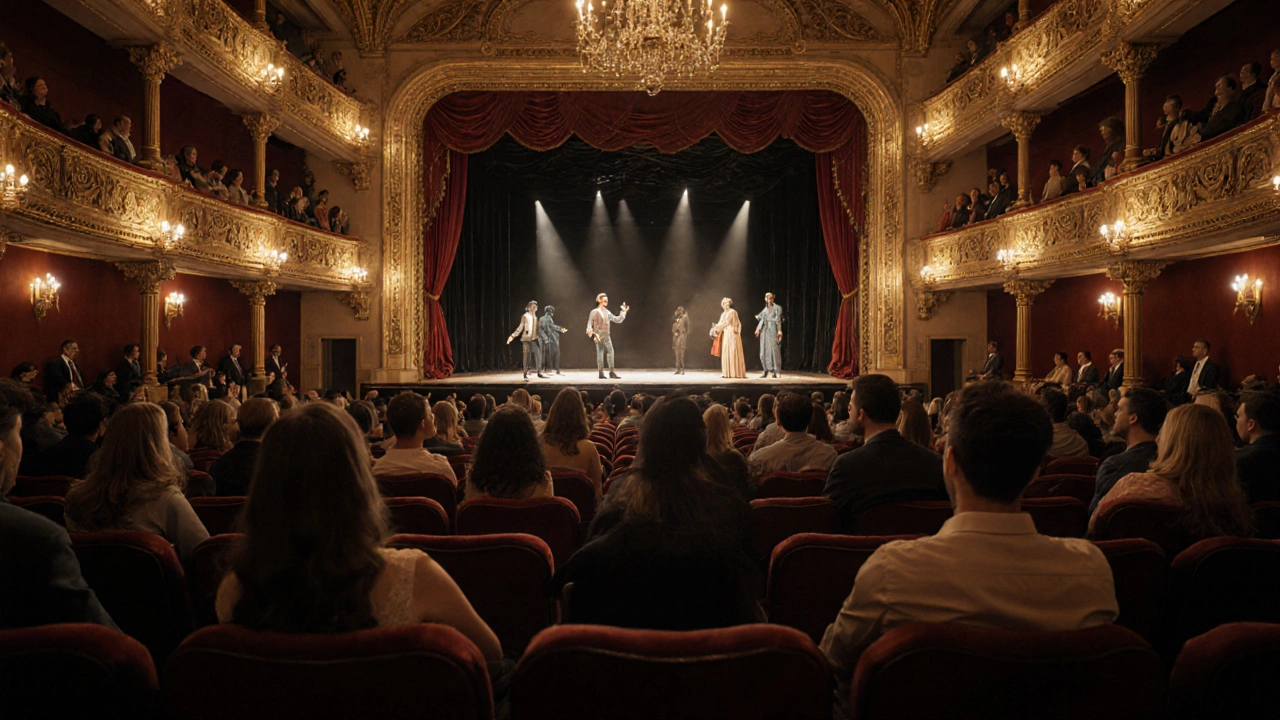
Best Seats in Popular London Theatres: Sightlines and Value
Discover the best seats in London's West End theatres without overspending. Learn where to sit for clear sightlines, great sound, and real value - from stalls to Royal Circle.
READ MORE