Ropewalk Stalls: What They Are and Why They Matter in London's Culture
When you walk past a row of small, colorful stalls tucked between older buildings, you’re likely standing near Ropewalk Stalls, a network of independent market stalls rooted in London’s street commerce tradition. Also known as street vendor rows, these stalls aren’t just places to buy things—they’re where local makers, immigrant families, and small businesses turn sidewalks into living shops. Unlike big shopping centers, Ropewalk Stalls thrive on personality. You’ll find handmade jewelry next to spiced teas, vintage books beside fresh pastries, and artists sketching portraits while someone else grills kebabs. It’s commerce with a heartbeat.
These stalls aren’t random. They cluster in areas with high foot traffic but low rent—places like Ropewalk in North London, or similar lanes in Peckham, Brixton, and Hackney. They’re often run by people who’ve lived in the area for decades, or newcomers who chose London because it lets them sell what they know. The goods? Real. The prices? Fair. The stories? Always changing. Many of these vendors don’t have websites, but they have regulars who come every week. They’re the quiet backbone of London’s local economy.
Ropewalk Stalls connect to bigger trends too. They’re part of the push for urban commerce, the shift from big chains to neighborhood-based trade. They support street vendors London, independent sellers who rely on foot traffic, not algorithms, and they keep traditional crafts alive—things like hand-stitched leather, ceramic mugs, or dyed fabrics made with natural pigments. You won’t find these items on Amazon. You find them here, in the open air, with the person who made them standing right there.
What makes Ropewalk Stalls different from a regular market? Timing. They’re not weekend-only events. Many open daily, rain or shine. Some start at 7 a.m. for commuters. Others light up after work, drawing people looking for something real after a long day. You might buy a scarf from a woman who learned to weave in Pakistan, or a loaf of bread from a man who bakes using his grandfather’s recipe. That’s the texture of London you don’t get from a mall.
And they’re not just for shopping. These stalls are community hubs. Neighbors chat while waiting for their coffee. Kids get free drawings from the artist stall. Locals swap tips on who has the best dumplings or the quietest violin strings. In a city that moves fast, Ropewalk Stalls slow things down—just enough to make you notice the person behind the counter.
Below, you’ll find a collection of stories that touch on the same world—where local trade, culture, and daily life meet. From hidden markets to the rise of independent makers, these posts show you how small spaces shape big cities. Whether you’re looking for where to buy something handmade, how to support real vendors, or just where to find the best coffee in a side street—you’ll find it here.
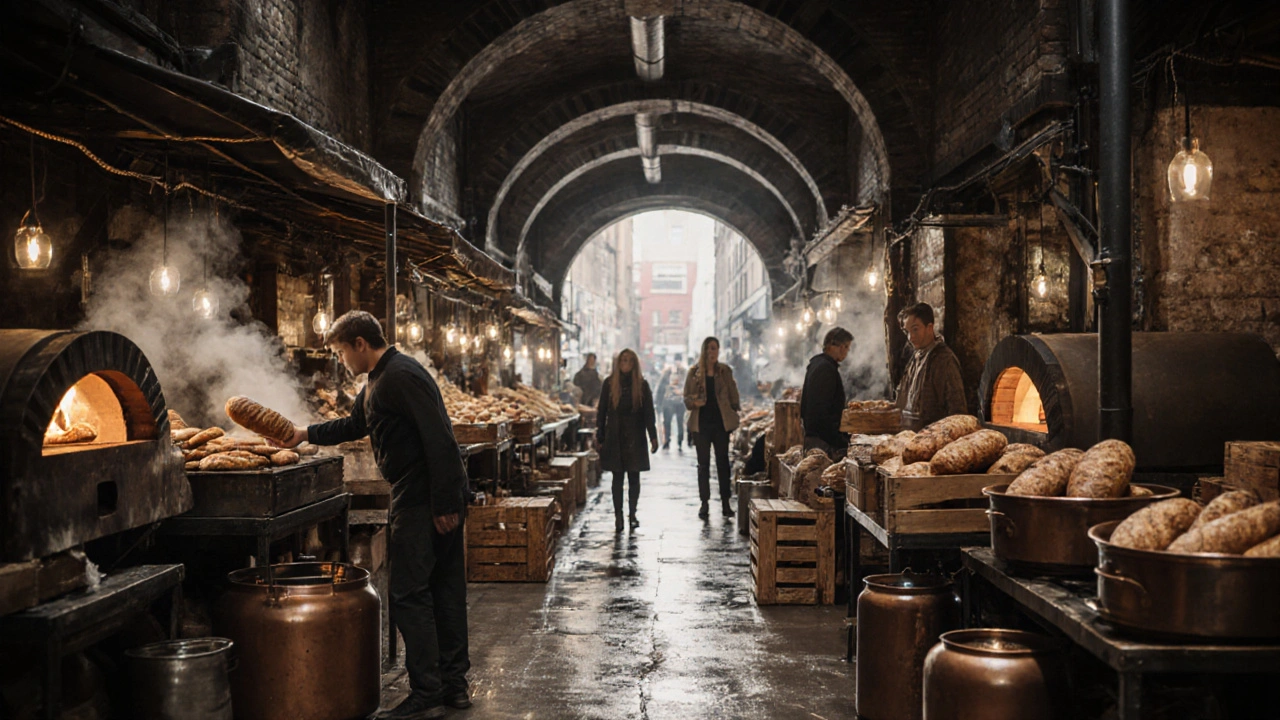
Maltby Street Market: Ropewalk Stalls and What to Eat
Maltby Street Market in London is a real food destination with legendary Ropewalk Stalls serving sourdough, pork belly bao, fresh pasta, and natural wines. Here’s what to eat, when to go, and why it still feels authentic.
READ MORE