Romance Fraud London: How Scammers Target Singles in the City
When you meet someone online in London, you’re not just connecting with another person—you might be talking to a romance fraud, a criminal scheme where someone pretends to be in a romantic relationship to steal money, personal data, or emotional trust. Also known as catfishing, this kind of scam thrives on loneliness, trust, and the quiet desperation of people looking for real connection in a big city. It’s not a rare occurrence. In 2023, UK police recorded over 15,000 reports of romance scams, with London being one of the top hotspots. These aren’t just random emails from Nigerian princes. These are carefully built relationships—sometimes lasting months—that end in urgent requests for money: a sick relative, a broken flight ticket, a business opportunity that needs a small push.
Scammers don’t just use dating apps like Tinder or Bumble. They find targets on social media, Facebook groups, even local community boards. They’ll send thoughtful messages, ask about your day, remember your favorite coffee shop, and send you songs that "remind them of you." They’ll say they’re in the military, working abroad, or stuck in a crisis. Their stories change, but their goal doesn’t: get you to send money. And once you do, they vanish—or keep asking for more. online dating scams, a subset of romance fraud where false identities are created on dating platforms to manipulate victims are especially common in London because of the city’s high population of young professionals, expats, and people new to the area—people who are more likely to meet partners digitally.
What makes this worse is how personal it feels. Victims often feel ashamed to talk about it, thinking they were just "too trusting." But this isn’t about being naive—it’s about predators using psychology, not magic. They study your posts, mirror your language, and play on your need for belonging. And here’s the thing: romance scam victims, people who have been financially or emotionally exploited through fake romantic relationships come from every background. Teachers, nurses, retirees, tech workers—no one is immune. Even people who know how scams work can still get caught. That’s how powerful the emotional manipulation is.
London’s dating scene is full of possibilities. Cafés in Shoreditch, book clubs in Camden, walks along the Thames—these are real places where real connections happen. But the digital side of dating? That’s where the traps are hidden. The same app that helps you meet someone kind could also be the gateway to someone who’s lying. dating app fraud, the use of fake profiles and manipulated identities on digital dating platforms to deceive users is growing faster than the tools meant to stop it. Apps have safety features, but they’re not foolproof. Scammers create profiles that look real—stock photos, fake jobs, even voice messages generated by AI.
So what can you do? Don’t avoid dating apps. Just be smarter. Never send money to someone you haven’t met in person. If they ask for help with travel, medical bills, or investments—pause. Ask for details. Google their photos. Check if their story adds up. Talk to a friend. If something feels off, it probably is. And if you’ve already been scammed, you’re not alone. There are organizations in London that help victims recover and heal.
The posts below aren’t just stories—they’re warnings, guides, and real-life examples from people who’ve been there. You’ll find advice on spotting red flags, what to do if you’ve been targeted, and how to rebuild trust after a scam. This isn’t about fear. It’s about awareness. Because in a city as big as London, knowing how to protect yourself isn’t optional—it’s part of staying safe while still living fully.
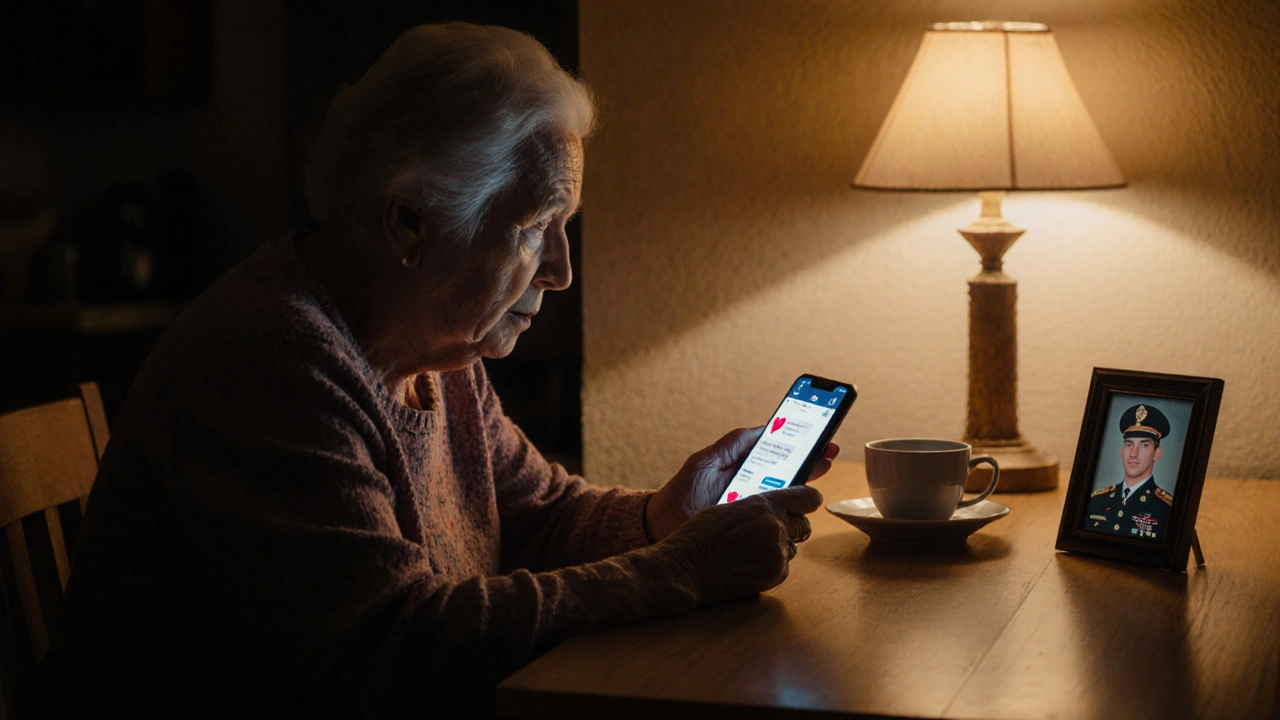
Romance Fraud Prevention in London: How to Stay Safe Dating Online
Romance fraud is rising in London, with victims losing thousands to fake relationships. Learn the red flags, how to stay safe online, and what to do if you’ve been scammed.
READ MORE