Leather Furniture: Style, Durability, and Modern Trends in London Homes
When you think of leather furniture, a durable, high-end seating option prized for its texture, longevity, and timeless appeal. Also known as top-grain or full-grain leather seating, it's the go-to choice for Londoners who want pieces that look better with age, not worse. Unlike synthetic materials that crack or fade after a few years, real leather adapts to your lifestyle—softening over time, developing a rich patina, and holding up through busy households, pets, and long winter nights.
What makes leather sofas, the most common form of leather furniture in UK homes. Also known as leather sectionals or Chesterfields, it's not just about looks—it's about function. In a city where space is tight and quality matters, a well-made leather sofa lasts decades. Many Londoners swap out cheap flat-pack furniture every few years, but those who invest in leather often keep it through moves, renovations, and even children. And with rising interest in sustainable leather, material sourced from ethical tanneries and treated with natural oils instead of harsh chemicals. Also known as vegetable-tanned leather, it’s gaining traction among eco-conscious buyers who want luxury without guilt. Brands in London are now offering traceable hides, recycled backing, and low-VOC finishes that align with the city’s push for greener interiors.
Leather furniture isn’t just for traditional homes. In modern London flats, it’s paired with minimalist metal frames, exposed brick, and neutral tones to create calm, grounded spaces. You’ll find it in Islington lofts, Shoreditch studios, and even in converted warehouses in Peckham. It works because it’s quiet—no loud patterns, no fussy maintenance. Just clean with a damp cloth, condition once a year, and let it age naturally. It doesn’t scream for attention; it earns it.
And if you’re worried about cost, think long-term. A £1,200 leather sofa that lasts 15 years costs less per year than a £500 synthetic one you replace every 3 years. Plus, resale value is higher. Many secondhand shops in London—like those in Camden or Notting Hill—see strong demand for well-cared-for leather pieces.
What you’ll find below are real examples of how Londoners are using leather furniture today: from smart, compact designs for small flats to bold statement pieces in heritage homes. You’ll see how to spot quality stitching, avoid fake leather scams, and choose the right shade for your lighting. No fluff. No hype. Just what works in a city that values both style and substance.
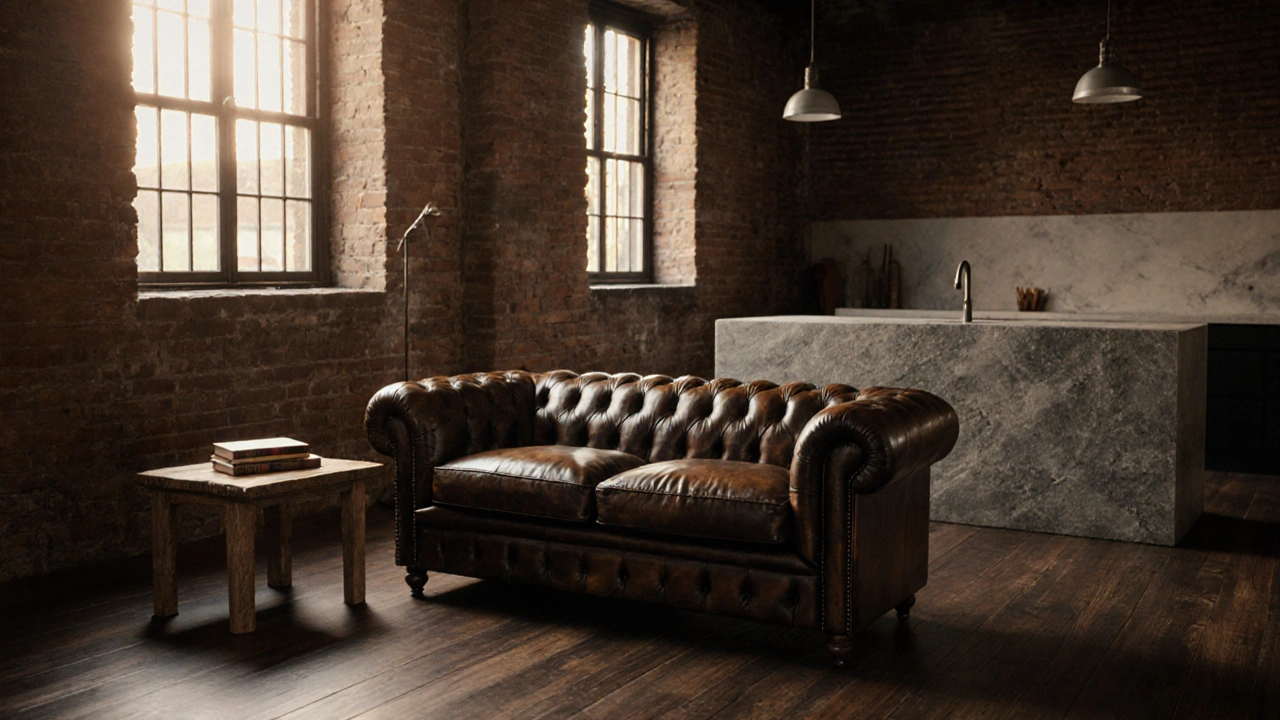
Natural Materials in Interior Design: Leather, Wood, and Stone
Discover why leather, wood, and stone are timeless choices for interior design-how they age, how to care for them, and why they create spaces that feel truly alive.
READ MORE