Kew Seasonal Highlights: What to See and Do at Kew Gardens Throughout the Year
When you think of Kew seasonal highlights, the most distinctive and timed natural experiences at Kew Gardens in London. Also known as Kew Gardens seasonal events, it’s not just about pretty flowers—it’s about how the whole garden transforms with the seasons, offering unique sights, activities, and quiet moments you won’t find anywhere else in the city. Kew isn’t a static park. It’s a living calendar. In spring, the rhododendrons explode in color, and the Treetop Walkway lets you see the canopy from above as the leaves are just starting to unfurl. By summer, the Rose Garden is at its peak, and the waterlilies in the Waterlily House float like painted discs under glass. Autumn brings a different kind of magic: the Japanese Maple collection turns fiery red and orange, and the Great Pagoda’s shadow stretches long across the lawn as the light softens.
The real value of Kew seasonal highlights, the most distinctive and timed natural experiences at Kew Gardens in London. Also known as Kew Gardens seasonal events, it’s not just about pretty flowers—it’s about how the whole garden transforms with the seasons, offering unique sights, activities, and quiet moments you won’t find anywhere else in the city. isn’t just in what you see—it’s in what you feel. Winter brings quiet walks past the dormant trees, where the architecture of the garden—its pathways, glasshouses, and statues—stands out without distraction. Spring isn’t just about blooms; it’s when the orchid displays come alive after months of careful care. Summer isn’t just heat—it’s when the children’s garden buzzes with activity, and the herb garden smells strong enough to carry on the breeze. Autumn isn’t just falling leaves—it’s the scent of damp earth and the crunch underfoot as the garden prepares for rest.
What makes these seasonal moments special is that they’re designed to be experienced, not just viewed. You can join guided walks in spring to learn how the gardeners time the bloom cycles. You can sit in the Palm House during a summer rainstorm and listen to the droplets hit the glass. You can pick up a seasonal trail map in autumn that leads you to the best spots for photos without the crowds. These aren’t random events—they’re curated moments tied to nature’s rhythm, and they change every year.
If you’ve only visited Kew once, you haven’t really seen it. The garden rewards repeat visits—not because it’s big, but because it’s alive. Each season reveals something new: the first crocuses pushing through frost, the dragonflies hovering over the ponds in July, the mushrooms sprouting near the old oak trees in October. You don’t need to be a botanist to notice it. You just need to show up, walk slowly, and pay attention.
Below, you’ll find a collection of real stories and guides from people who’ve explored Kew at different times of year—whether they came for the spring bulbs, the summer concerts, or the quiet solitude of a frosty December morning. These aren’t generic lists. They’re firsthand takes on what actually matters when you’re standing in the middle of Kew, trying to decide where to go next.
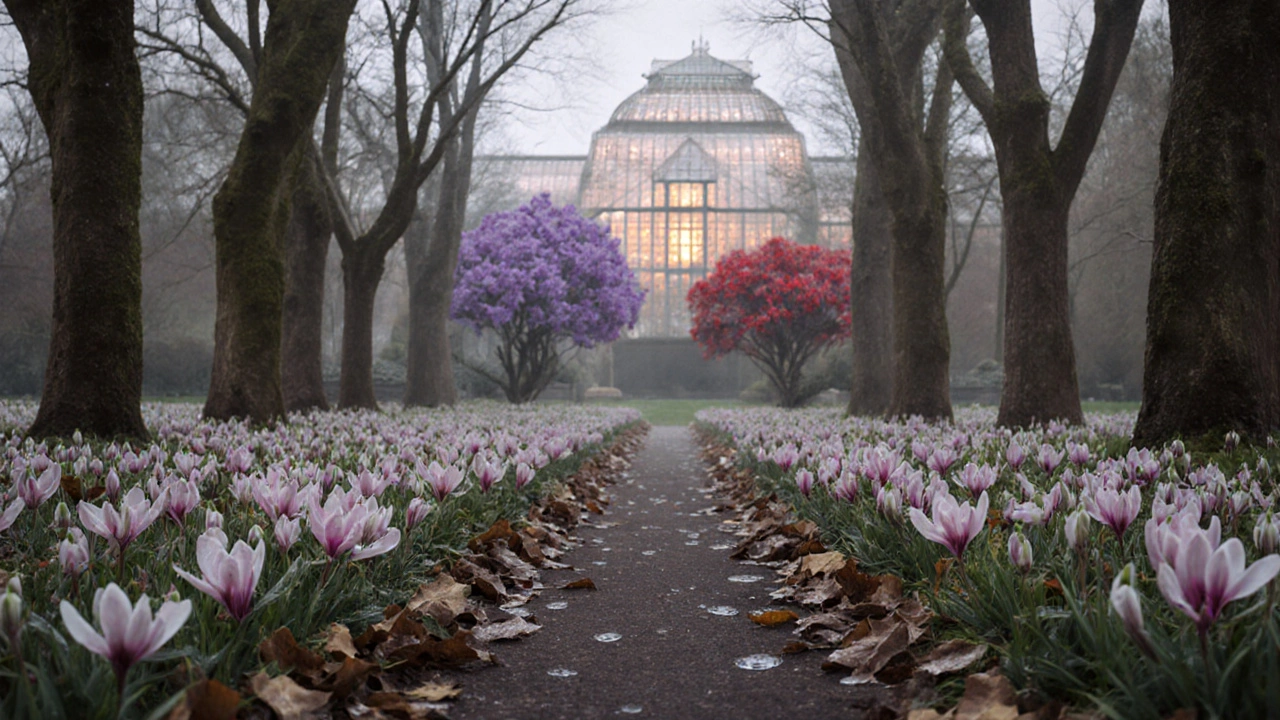
Kew Gardens: Royal Botanic Gardens and Seasonal Highlights
Explore Kew Gardens, the Royal Botanic Gardens in London, with seasonal highlights from spring blooms to winter light trails. Discover rare plants, conservation work, and must-see spots across the year.
READ MORE