East London history: Roots, revolutions, and real stories from the city's grittiest quarter
When you talk about East London history, the layered, often overlooked story of working-class resilience, migration, and cultural reinvention in London’s eastern boroughs. Also known as the East End, it’s not just a place on the map—it’s a living archive of people who built industries, fought for rights, and turned hardship into art. This isn’t the London of royalty or finance. This is the London of dockworkers, tailors, refugees, and punk musicians who turned abandoned warehouses into galleries and empty lots into community gardens.
The Docklands history, the rise and fall of London’s global shipping hub along the River Lea and Thames. Also known as the Port of London, it shaped everything from wages to accents. By the 1800s, over 100,000 people worked in the docks—loading tea from India, spices from the Caribbean, and timber from Canada. When the docks closed in the 1980s, whole neighborhoods collapsed. But instead of vanishing, communities rebuilt. Street artists took over abandoned warehouses. Refugees opened food stalls. Local bands turned disused factories into music venues. The East End culture, the blend of Cockney traditions, Caribbean rhythms, Bengali spices, and grime beats that define the area today. Also known as East London identity, it’s not a museum exhibit—it’s happening right now, in every mural, every market stall, every open mic night in Hackney or Bow.
And then there’s the London working class history, the fight for fair pay, housing, and dignity by people who never had power but changed the system anyway. Also known as the labour movement in London, it’s the reason we have weekends, minimum wages, and public parks. The 1912 dockers’ strike. The 1936 Battle of Cable Street, where locals blocked fascists from marching through Jewish neighborhoods. The 1980s squatters who turned empty buildings into homes and community centers. These weren’t footnotes in textbooks—they were daily acts of survival and solidarity. You won’t find statues for most of them. But you’ll see their legacy in the street art of Shoreditch, the Bengali restaurants in Brick Lane, the free theatre shows in Tower Hamlets, and the way locals still know each other’s names on the bus.
What you’ll find below isn’t a dry timeline. It’s a collection of real stories—how a forgotten warehouse became a global street art festival, how a former textile mill now hosts eco-fashion pop-ups, how a 19th-century market still feeds families today. These aren’t tourist traps. They’re living parts of a history that never stopped evolving. If you’ve ever walked through Whitechapel and wondered who stood there before you, or seen a mural in Peckham and felt it speak to you, this is where those stories live.
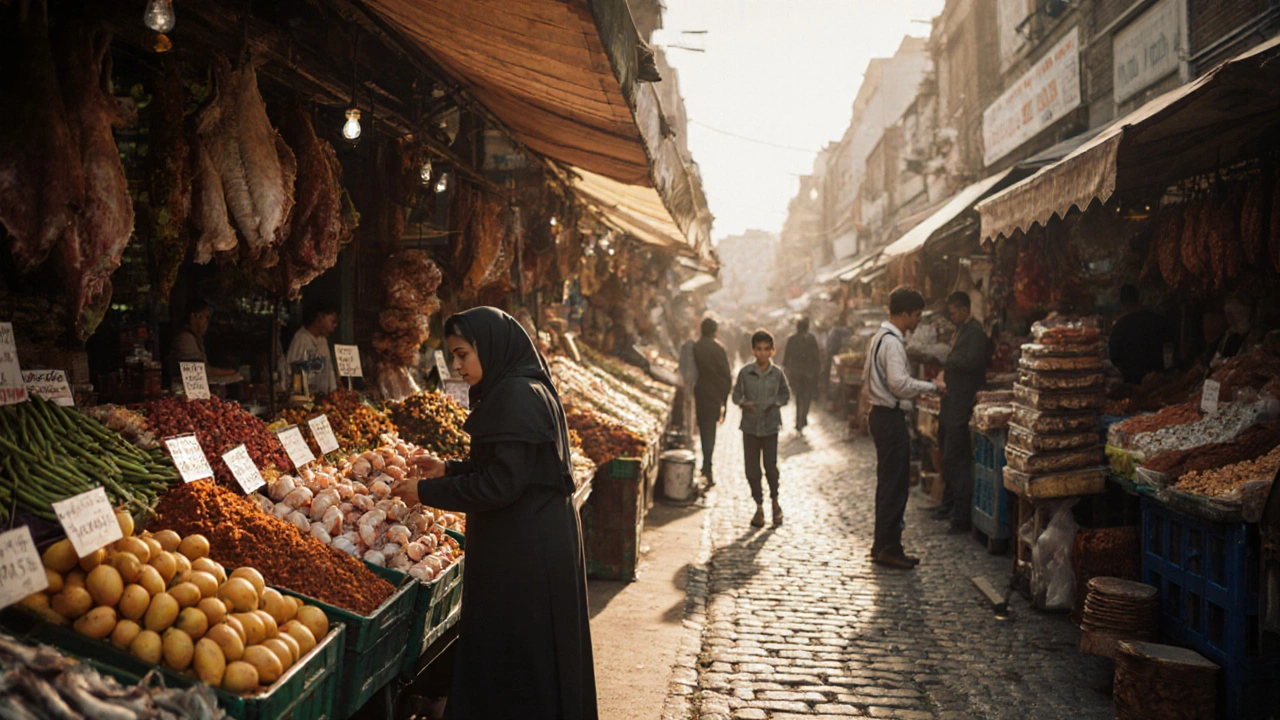
Whitechapel: Markets, Galleries, and Cultural Heritage
Explore Whitechapel's vibrant markets, groundbreaking art galleries, and deep cultural heritage in East London - a neighborhood shaped by migration, resilience, and community.
READ MORE