Key Takeaways
- Grassroots venues are the primary engine for talent discovery in the UK.
- Specific districts like Camden, Hackney, and Soho offer distinct sonic identities.
- The 'stepping stone' model helps artists scale from 100-capacity rooms to arenas.
- Supporting small venues prevents the 'cultural desert' effect in urban centers.
The Engine Room of British Music
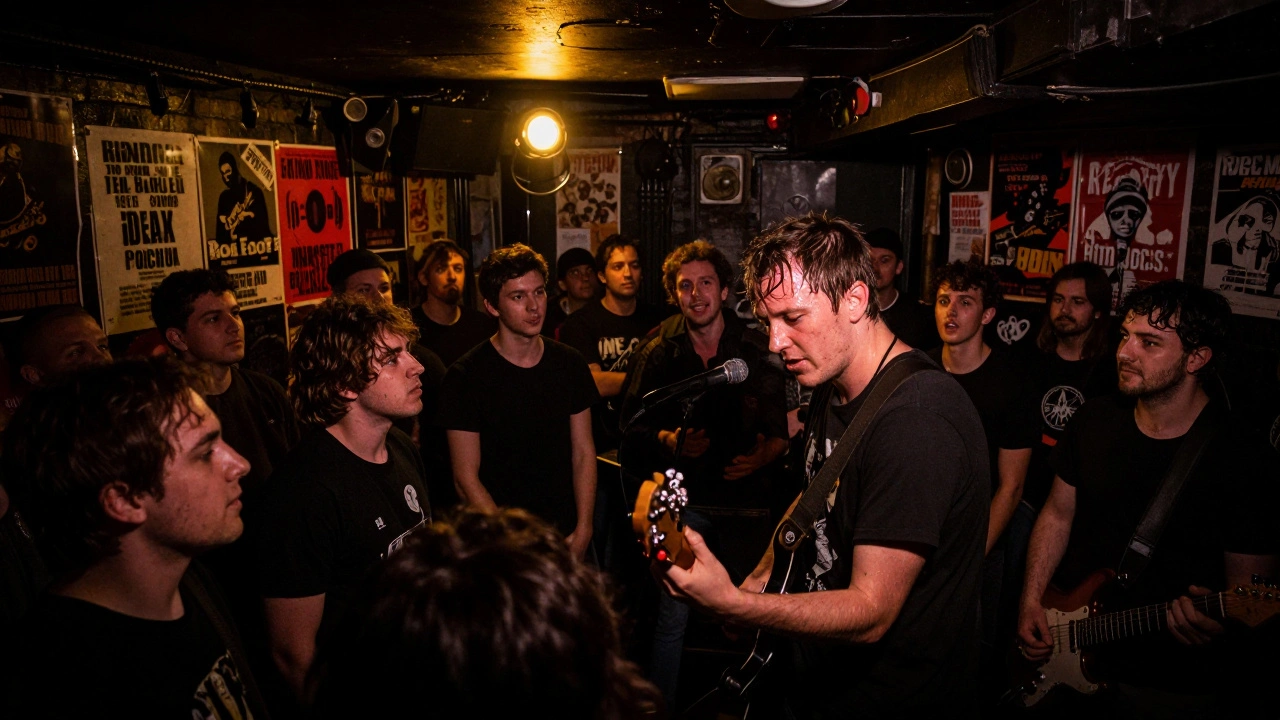
Before the flashing lights of the O2, there is the raw, unfiltered experience of the grassroots stage. Grassroots music venues is a category of small, independent live performance spaces that prioritize artistic development over corporate profit. These spaces are where the actual work of being a musician happens-learning how to read a crowd, fixing a broken string mid-song, and dealing with a sound system that might be held together by duct tape.
Why does this matter? Because the distance between the performer and the audience in these rooms is almost zero. There is no barrier, no massive LED screen, just raw sound. When you see a band at a place like The Windmill in Brixton, you aren't just watching a show; you're witnessing the birth of a sound. It's the same energy that propelled the post-punk revival and continues to nurture the current wave of indie and experimental acts.
The Camden Connection: More Than Just a Market
You can't talk about breaking acts without mentioning Camden. For decades, it's been the epicenter of the 'cool.' While the market gets all the tourists, the real magic happens in the darker corners. The Camden Assembly serves as a vital launchpad, offering a professional enough stage to attract scouts but a small enough crowd to keep things intimate.
Think about the trajectory of a typical breakout star. They start with a few dates at a 200-capacity room. If the tickets sell out in ten minutes, they move to a 500-capacity spot. This gradual climb is essential. If an artist jumps too quickly to a massive stage, they often lose the 'edge' that made them interesting in the first place. Camden provides that grit. It's a place where the noise of the street bleeds into the music, creating an atmosphere of urgency.
| Venue Type | Typical Capacity | Primary Goal | Vibe |
|---|---|---|---|
| Basement/Cellar | 50 - 150 | Experimental/Testing | Intimate, Raw, Loud |
| Independent Club | 200 - 500 | Building a Fanbase | Energetic, Community-led |
| Mid-Sized Hall | 800 - 2,000 | Scaling/Commercialization | Professional, Polished |
Soho's Secret Basements and the Art of the Intimate
If Camden is about the noise, Soho is about the nuance. The tiny rooms hidden beneath the streets of the West End have a different kind of power. Ronnie Scott's Jazz Club is the gold standard here. While it's world-famous now, it functions as a masterclass in performance. The proximity of the audience means a musician can't hide behind a wall of distortion; they have to actually be good.
This environment forces a level of discipline. When an artist plays a tiny Soho room, they are fighting for every single person's attention in a neighborhood filled with a thousand other distractions. It's an endurance test. If you can hold a room in Soho on a Friday night, you can hold a crowd anywhere in the world. This is why so many international stars still return to these small spaces for 'secret shows'-it's the only place they can feel that immediate, visceral connection again.
The East London Shift: Hackney and the New Guard
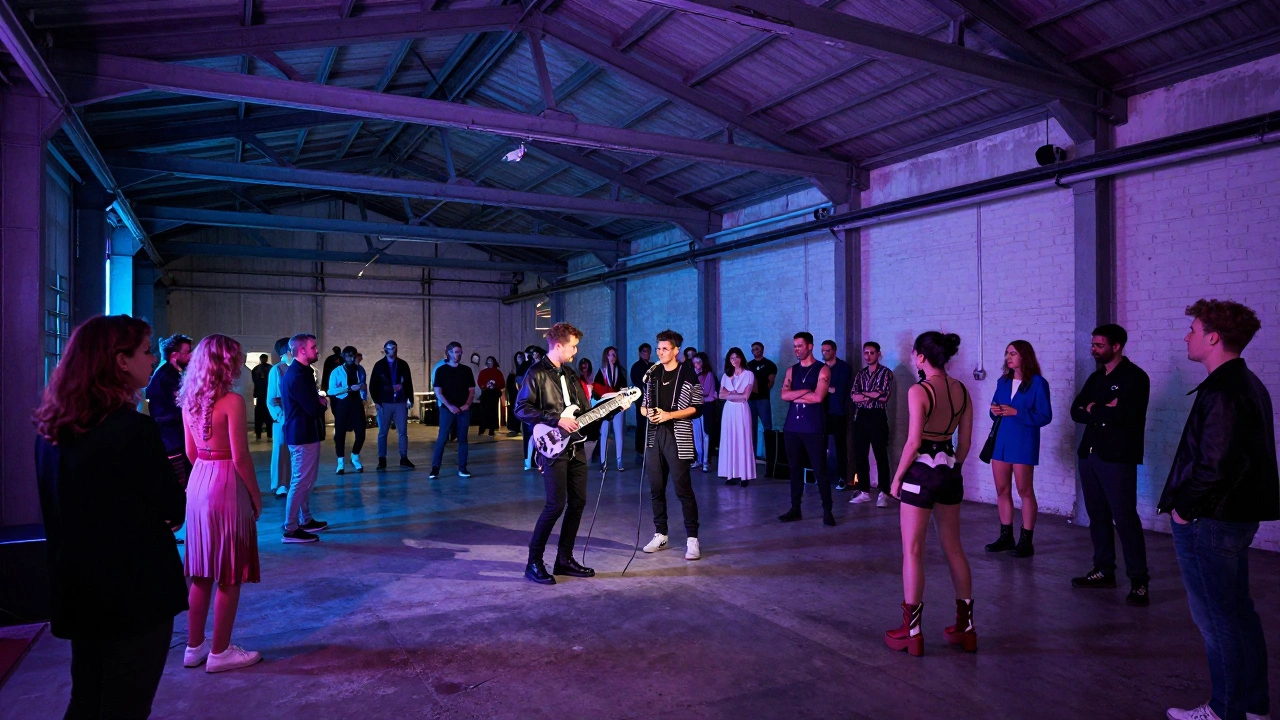
The center of gravity has shifted east over the last decade. Hackney has become the new frontier for the avant-garde. Spaces like Village Underground (though slightly larger now) started as part of this movement toward industrial, warehouse-style settings. The aesthetic here is less about the 'rock club' and more about the 'creative hub.'
In East London, the boundaries between genres are blurrier. You'll find a night where a synth-pop duo opens for a jazz collective, all in a room that looks like an old garment factory. This cross-pollination is how new genres are born. By stripping away the formality of a traditional theater, these venues allow artists to take risks. They can fail spectacularly or succeed wildly, and because the ticket price is low and the stakes are small, the audience is more open to weirdness.
How to Spot the Next Big Thing Before Everyone Else
So, how do you actually use this map to find the stars of 2027? It's not about following the charts; it's about following the promoters. Keep an eye on the independent curators who book the 100-capacity rooms. When you see the same name popping up across three different small venues in three different boroughs, that's your signal.
Look for 'residencies'-where a band plays the same small room every month for a quarter of a year. This shows a commitment to building a local community rather than just chasing a viral TikTok hit. The most sustainable stars are the ones who spent six months playing to twenty people in a basement before they ever touched a major label's money. That's where the hunger comes from.
The Battle for Survival: Why These Rooms are Disappearing
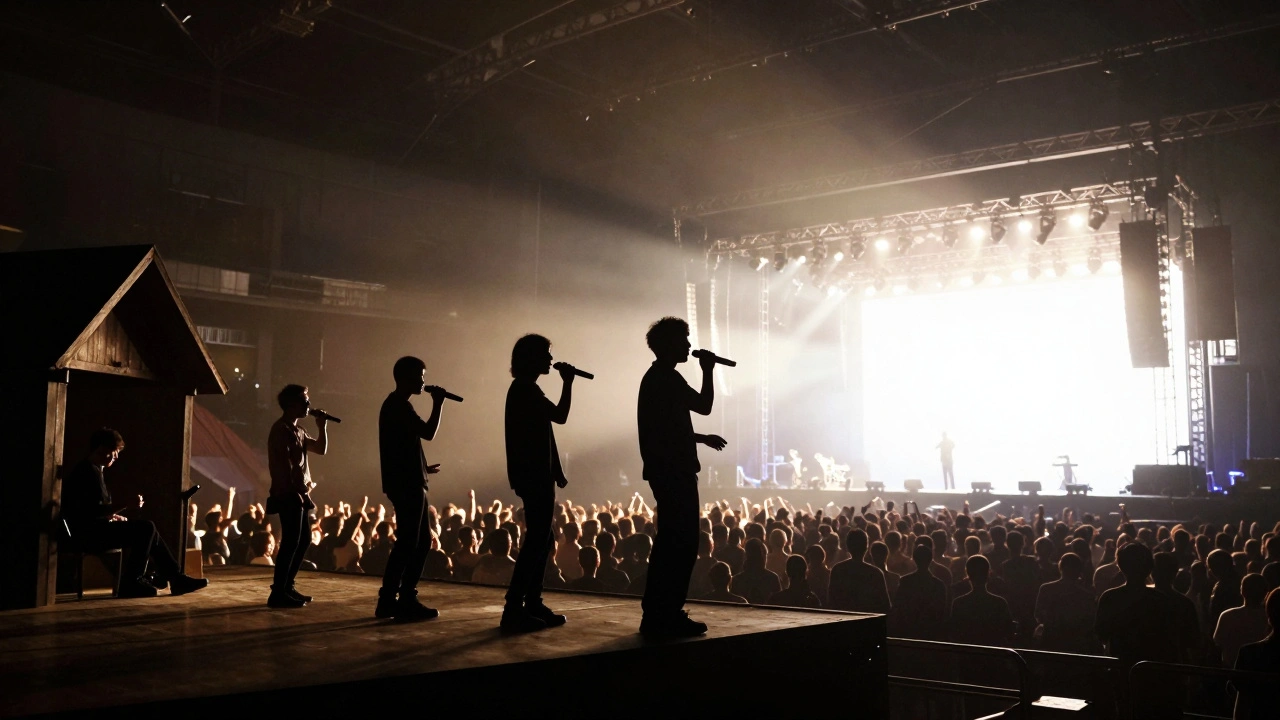
It's not all romantic. The reality is that many of these spaces are under threat from gentrification and noise complaints. When a luxury apartment block is built next to a venue that's been there for forty years, the new residents often complain about the very music that made the neighborhood desirable. This creates a precarious environment for the Music Venue Trust and similar organizations that fight to keep these doors open.
If we lose the small rooms, we lose the pipeline. You can't manufacture a stadium act in a boardroom; you need the friction of a small room to polish a diamond. Supporting these venues-by buying a drink, paying for a ticket, or just showing up on a rainy Tuesday-is essentially an investment in the future of music. Without the basement, there is no peak.
Which London neighborhood is best for finding new music?
It depends on what you like. Camden is still the heart of indie and rock, Hackney is the go-to for experimental and electronic sounds, and Soho remains the peak for jazz and intimate acoustic performances. If you want a mix, start in East London where the warehouse culture blends multiple genres.
How do I find the schedules for these small venues?
Most small venues don't have massive advertising budgets. Your best bet is to follow independent promoters on social media, check the physical posters in the neighborhood, or use platforms like DICE and Songkick, which often list smaller club dates that don't make it to the mainstream press.
Are these venues generally affordable?
Yes, usually. Tickets for grassroots venues typically range from £5 to £15. Many also have 'pay what you can' nights or free entry for early slots, making them some of the most accessible cultural experiences in the city.
What is the 'stepping stone' model in music?
It is the process where an artist progressively plays larger venues as their fanbase grows. They move from a 100-capacity basement to a 300-capacity club, then to a 1,000-capacity hall, and finally to arenas. This ensures the artist develops their stage presence and the demand stays higher than the supply of tickets.
Why are small venues better for artists than large ones?
Small venues offer immediate feedback. The physical closeness of the crowd allows artists to gauge reactions in real-time and adjust their set. It also removes the pressure of a 'perfect' production, allowing them to focus on the song and the raw energy of the performance.
Next Steps for the Music Hunter
If you're ready to start exploring, don't plan too much. The best shows in London often happen on a whim. Pick a night, head to a borough you've never visited, and look for the door with the hand-written setlist taped to the glass. If the room looks too small for the amount of people inside, you're probably in the right place. Just remember to bring earplugs-some of these basements are designed to be loud, and the best memories shouldn't come with a side of tinnitus.