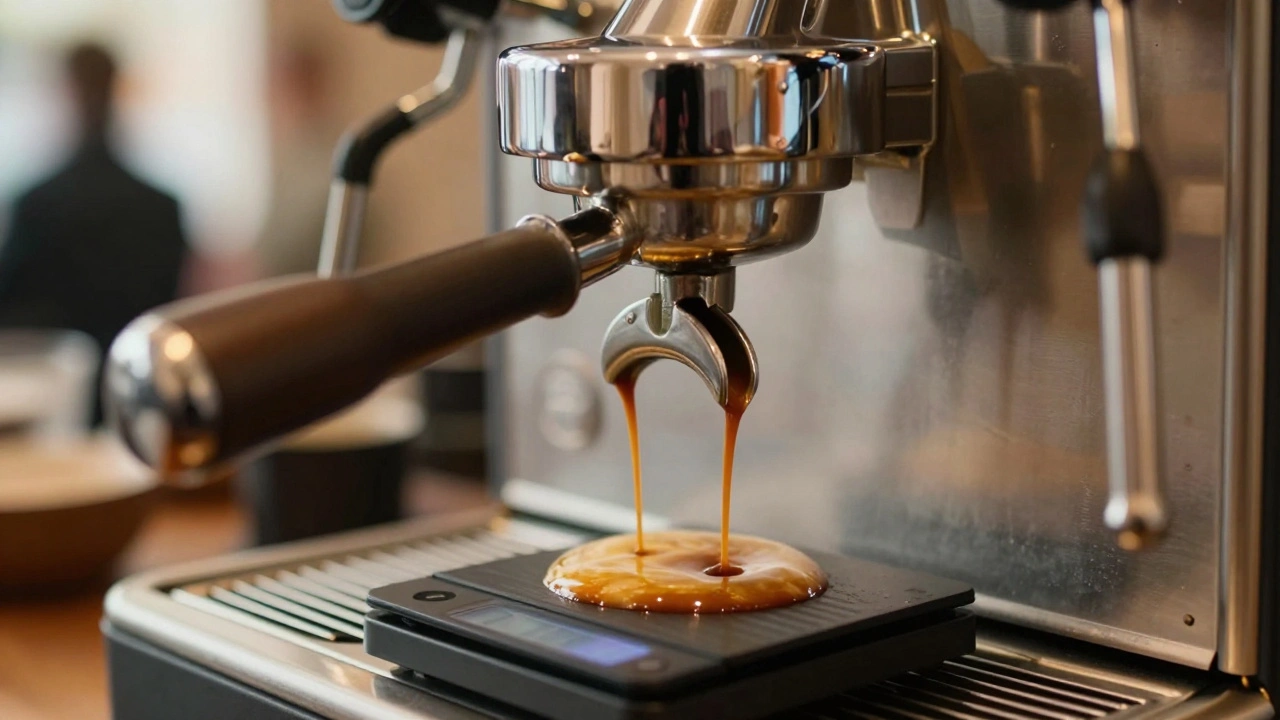
Great espresso isn't magic; it is chemistry locked in a metal basket. If you think pouring boiling water over grounds works, you have been cheated by bad cafes. We know this feeling well here in the North, but the gold standard sits just south of the Thames. Espresso Machine is the critical tool used to extract high-pressure coffee shots with precision engineering. By understanding how top professionals handle their equipment, you transform your morning routine from a gamble into a science.
In recent months, the scene in Clerkenwell and Shoreditch has shifted. It is no longer just about getting caffeine fast. It is about the ritual. The rhythm. When a London Baristasare skilled experts who specialize in brewing coffee using advanced techniques and commercial-grade equipment. step up to the counter in 2026, they carry decades of evolution in third-wave coffee. They understand that variables matter more than recipes. Let us break down exactly what happens behind the scenes and how you can replicate those results.
The Core Science of Extraction
Before worrying about steam wands, you must respect the shot. The heart of the process is the Extractionthe process of dissolving desirable flavors from coffee grounds into hot water under pressure.. Imagine pushing water through soil. If the ground is too fine, water chokes. Too coarse, and it runs right through. London shops obsess over this balance.
The industry standard usually aims for a ratio of 1:2. For every gram of dry beans, you want two grams of liquid coming out of the spout. If you weigh 18 grams in, you should see 36 grams fall into the cup. But ratios mean nothing without time. A shot pulling too fast tastes sour and thin. One that drags feels burnt and heavy.
- Under-extracted shots lack body and sweetness.
- Over-extracted shots taste bitter and dry.
- Ideal pull times usually sit between 25 and 30 seconds.
- Flow rate should resemble warm honey, not a garden hose.
This consistency is why professionals measure weight constantly. Guesswork leaves money on the table. Using a scale underneath your portafilter is non-negotiable if you want repeatable results.
Grinding and Distribution Secrets
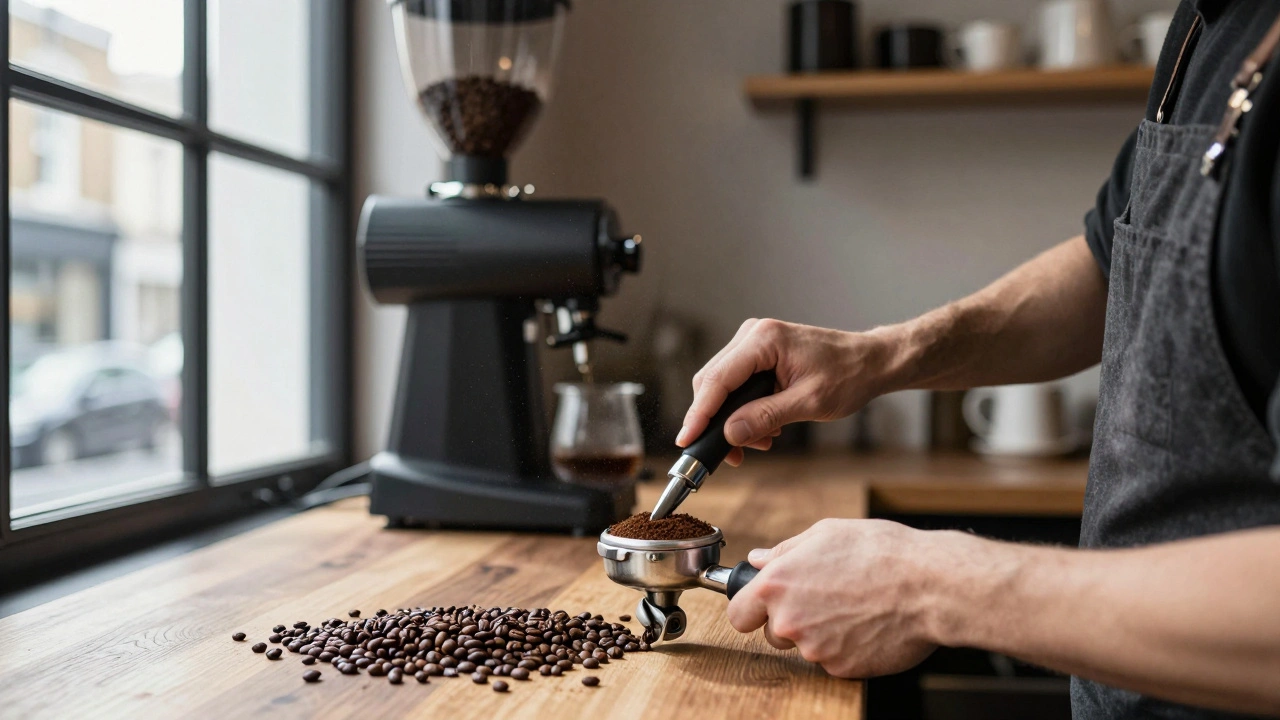
A great machine cannot save a terrible grind. Most home users skip the grinder quality entirely, blaming the boiler instead. In the busy roasteries of London, the burr setup is king. Flat burr grinders tend to provide uniformity, while conical ones might offer speed. For espresso, uniformity wins every time.
Distribution matters even before tamping. If the puck has gaps, water finds the path of least resistance. This is called channeling. You end up with brown stripes on the puck instead of an even bed. Pros tap the basket gently and use tools like distribution needles to settle the grounds. A random shake can ruin a perfectly weighed dose.
The tamper also plays a role. Some baristas swear by the wrist flip. Others use leverage. What actually matters is the angle. Even a slight tilt creates uneven density. Press straight down until you meet the rim of the basket. Then press harder until your muscles give out. It sounds dramatic, but a flat surface ensures even flow.
Mastery of Milk Texture
You can get away with average coffee if your milk work is flawless. However, in high-end spots, both must shine. Steaming milk requires understanding aerating versus stretching. When you hear a loud tearing sound, air is entering the milk. Once the pitcher warms slightly under your hand, submerge the wand to spin the liquid.
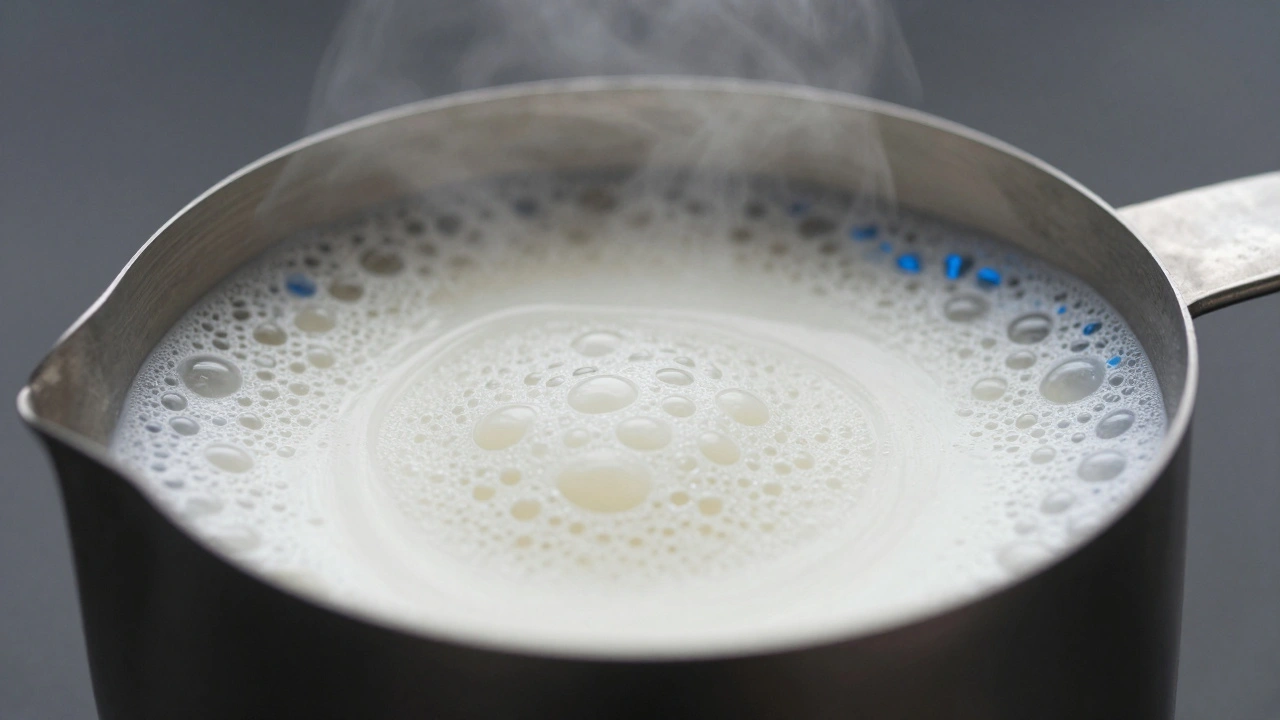
\nThis spinning action breaks down bubbles into Microfoama velvety texture formed when tiny air bubbles are dispersed evenly in steamed milk.. It should look like wet paint, not cottage cheese. If you drink a latte and feel grit on the roof of your mouth, the foam was too large. The goal is glossy integration.
Temperature control is the final hurdle. Stop steaming around 60 to 62 degrees Celsius. Going higher kills the sweetness and burns the proteins. Professional machines often have PID controllers that stabilize heat within a degree. While you may not have that yet at home, monitoring your thermometer helps train your instinct.
Equipment Reality Check
Not everyone needs a five-figure rig to make good drinks. Understanding the difference between domestic and commercial gear saves frustration. A super-automatic might offer convenience, but it rarely rivals semi-automatics for customization. Here is a breakdown of what defines professional capability compared to entry-level gear.
| Feature | Entry Level Home Setup | Professional Commercial Standard |
|---|---|---|
| Boiler Type | Heated element or small boiler | Saturated or Heat Exchanger Boiler |
| Pump Pressure | Fixed 9 bars | Programmable pressure profiling |
| Group Head | Single head, plastic inserts | Rotary pump, stainless steel manifold |
| Stability | Temperature swings of 3-5C | PID controlled +/- 1C variance |
Notice the emphasis on temperature stability. Cheap machines cool down between shots. Professionals rely on thermal mass. If you are serious, invest budget into a decent grinder before upgrading the machine. A £300 grinder with a £1500 machine often performs better than a £500 grinder with a £1500 machine.
Troubleshooting Common Issues
Even pros face daily headaches. The workflow in a busy shop is different from home, but the physics remain the same. If your shot comes out gurgly or black, adjust your approach systematically.
- Check Freshness: Stale beans lose gas. Old beans produce weak crema. Use beans roasted within three weeks of opening.
- Verify Calibration: Weigh your output. If it takes 20 seconds for 36g, you are likely grinding too fine.
- Clean the Group: Residue builds up. Backflush regularly with blind baskets. Dirty seals cause leaks and flavor taints.
- Water Quality: Hard water scales the internals. Soft water corrodes metal. Use filtered water to protect internal components.
Another frequent error involves the portafilter. Ensure you are locking it into the group head firmly. A loose seal causes bypass pressure, meaning water shoots past the grounds instead of through them. You will hear hissing before the liquid flows. Lock it tight, then check alignment.
Adapting the London Workflow
The London style is defined by efficiency mixed with care. Batch brew methods for tea coexist alongside single-dose precision for coffee. Adopting a pre-workflow helps immensely. Prep your milk before you lock in the portafilter. Have your scale ready. Wipe the drip tray.
When you remove the spent puck, dump it quickly. Do not let it dry in the basket. Re-grind immediately. Keeping moisture out of fresh beans preserves their oil content. In the humid conditions typical of the South East, this prevents mold and staleness faster than you might expect in drier northern climates.
Developing Your Own Sensory Palate
Taste guides the adjustments. Visuals tell you only half the story. Drink straight shots occasionally without milk to notice acidity or bitterness. Note if the shot finishes clean on the tongue or leaves a dusty sensation. Training your palate takes weeks, but it pays off in immediate improvement.
Visit specialty cafes. Ask owners about their beans. Inquire about their roast dates. The conversation itself deepens your understanding. Coffee is a global product, but the local execution is where skill shines. By adopting these focused habits, you close the gap between amateur and professional quality.
How often should I backflush my espresso machine?
For a standard home setup, backflushing weekly with pure water is recommended. If you add detergent cleaner, once a month is sufficient to remove oils and residue.
What grind size is ideal for espresso?
There is no universal setting, as humidity and bean density vary. Generally, it resembles table salt, but you must adjust until the flow rate matches the 25-30 second window.
Can I use store-bought milk for latte art?
Whole cow's milk steams best due to its fat content. Plant-based milks like oat work well in 2026 formulations designed for steaming, but they require lower temperatures to prevent splitting.
Does water hardness affect espresso quality?
Yes. High mineral content causes scale buildup which blocks flow channels. Reverse osmosis is too soft and damages the machine. Aim for medium-hardness water between 100-150ppm TDS.
Is temperature control necessary for good coffee?
While older machines did not have it, modern thermoblocks and PIDs are essential. Fluctuations cause inconsistent extractions, meaning the same button produces different flavors on different days.