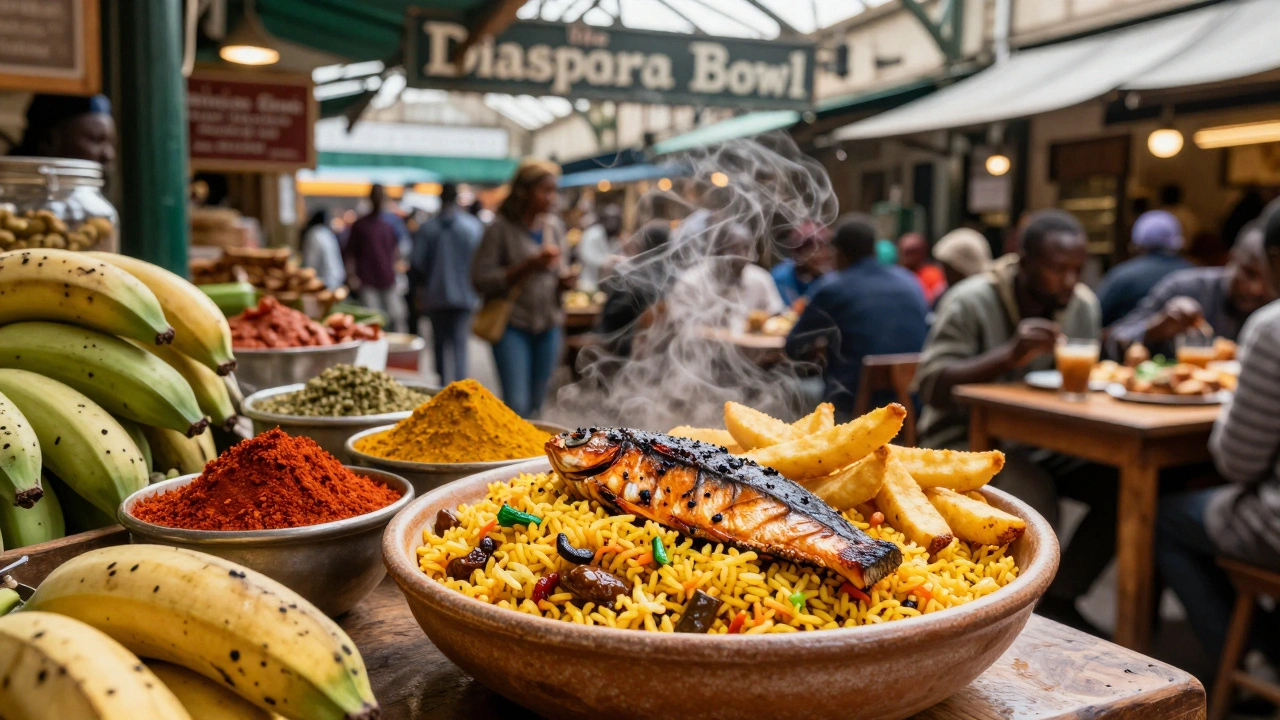
London’s food scene isn’t just changing in 2025-it’s reinventing itself. You won’t find another city where Somali-British stews sit next to Korean-Scandinavian fusion bowls, and where a £3.50 street food wrap can outshine a Michelin-starred tasting menu. This isn’t about fancy ingredients or chef bragging rights. It’s about real people, real communities, and real hunger for flavors that tell stories. If you’re eating in London right now, you’re tasting the future.
What’s Actually Rising, Not Just Trending
Forget ‘plant-based’ as a buzzword. In 2025, it’s not about replacing meat-it’s about reimagining what counts as food. Take West African yam porridge with smoked fish and fermented locust bean sauce. It’s no longer just a dish in Brixton. It’s on the menu at casual spots in Shoreditch and even in hospital cafeterias in Croydon. Why? Because it’s hearty, affordable, and packed with nutrients. The same goes for adobo from the Philippines, now cooked with British pork belly and served with pickled daikon in east London pubs. These aren’t gimmicks. They’re the result of decades of migration, family kitchens, and young chefs who grew up eating both jollof rice and Sunday roast.
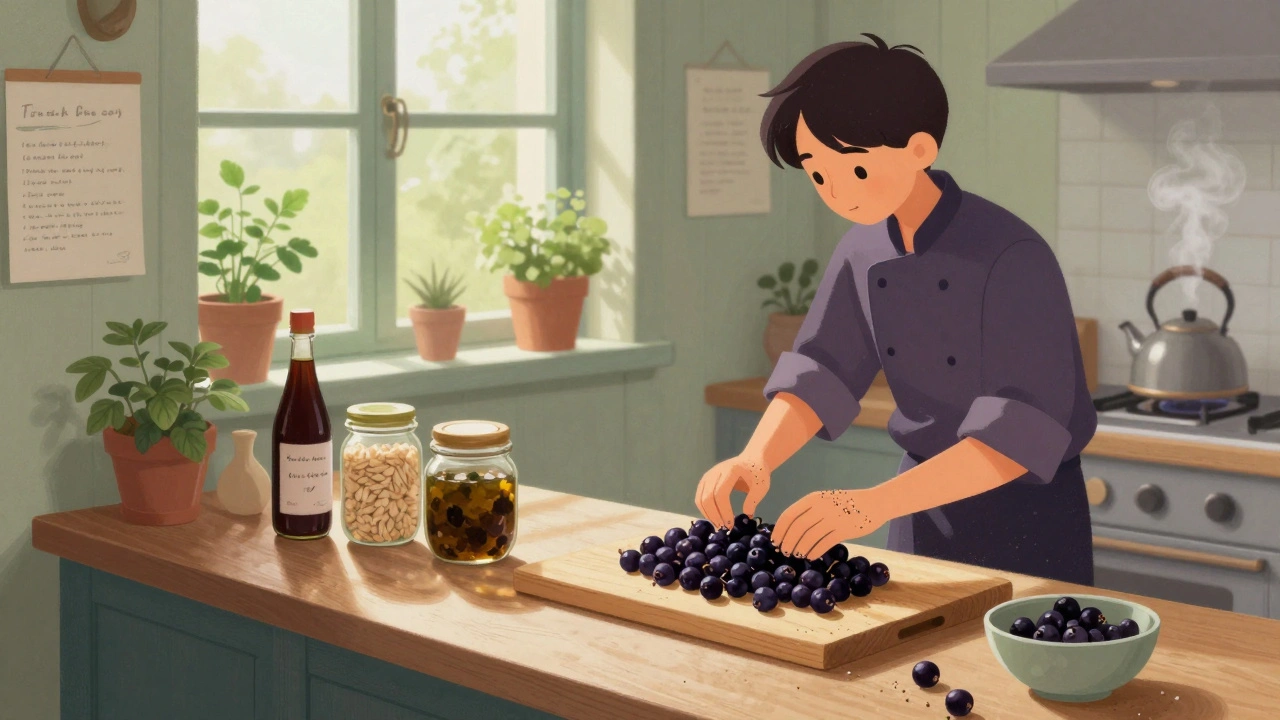
Another quiet revolution? The rise of fermented British ingredients. You used to have to go to Seoul or Kyoto to find koji-aged vegetables or kombucha made from local honey. Now, you’ll find nettle miso in Camden, blackcurrant koji in Peckham, and oat-based shoyu in Hackney. These aren’t imported. They’re grown, harvested, and fermented within 50 miles of where you’re eating. The movement is led by small producers like Wild Ferment Co. in Kent and London Salt & Sourdough in Walthamstow. Their products are showing up in everything from sandwich spreads to cocktail garnishes.
The Dishes You’ll Actually See on Menus
Here’s what you’ll actually find on plates in 2025, not just on Instagram:
- Beef rendang bao - Slow-cooked Indonesian beef in steamed buns, topped with pickled red onion and a splash of tamarind glaze. Found at Chinatown Bao House and now at the food hall in King’s Cross.
- Chickpea & dill flatbread - A Levantine-inspired flatbread made with ground chickpeas instead of wheat. Gluten-free, high-protein, and sold by street vendors in Notting Hill. It’s cheaper than a croissant and lasts longer.
- Sea buckthorn and smoked eel tartare - A London twist on Nordic flavors. Sea buckthorn, a wild berry that grows along the Thames estuary, brings tartness that cuts through the richness of locally caught eel. Served at Thames Edge Kitchen in Deptford.
- Yassa chicken with roasted plantain and millet - A Senegalese classic that’s now a staple at lunch spots in Croydon and Tottenham. No sauce on the side. It’s all one bowl: chicken, onions, lemon, and the sweet crunch of plantain.
- London Fog hot chocolate - Not tea. Hot chocolate made with Earl Grey-infused cream, a hint of bergamot, and a sprinkle of smoked sea salt. It’s everywhere from independent cafés to airport terminals.
Why This Isn’t Just ‘Fusion’
People keep calling this ‘fusion.’ That word makes it sound like a chef just threw two cuisines together and called it creative. It’s not. What’s happening in London is integration. It’s the natural result of generations living together, sharing kitchens, and teaching each other how to cook.
Take the curry leaf and coriander crumb now used on fried chicken at Peckham Fry Co. That’s not ‘Indian meets American.’ That’s a Jamaican cook’s daughter, raised in Peckham, who learned to fry chicken from her uncle in Brixton and then started using the herbs her Nigerian grandmother grew in the backyard. She didn’t set out to ‘fuse.’ She just cooked what tasted right to her.
Same with London’s new take on dumplings. You’ll find pork and leek dumplings in Chinatown. But you’ll also find mushroom and wild garlic dumplings in Islington, made by a Ukrainian refugee who used to sell them at markets in Lviv. Or black bean and smoked duck dumplings in Wembley, created by a Chinese-British chef who grew up eating his mum’s dumplings and then fell in love with duck confit from a French deli down the road.
This isn’t trend-chasing. It’s identity.
Where to Eat These Dishes in 2025
You don’t need to book months ahead. The best new food in London is still happening in places you can walk into without a reservation.
- Market Halls - Leadenhall Market now has a stall called ‘The Diaspora Bowl’ serving Nigerian jollof with smoked trout and yam fries. Old Spitalfields Market has a daily rotating menu from immigrant-run kitchens - today it’s Bangladeshi fish curry with fermented bamboo shoots, tomorrow it’s Ghanaian banku with okra stew.
- Community Cafés - St. Mary’s Kitchen in Brixton runs a pay-what-you-can lunch service featuring dishes from refugees. Their Lebanese tabbouleh with roasted beetroot is now their bestseller.
- Local Pubs - The Red Lion in Hackney has swapped its standard fish and chips for hake in tamarind crust with sweet potato mash. The landlord says 80% of his regulars asked for it.
- Supermarkets - Waitrose now stocks fermented black garlic paste from a East London producer. Sainsbury’s has a new ‘Global Pantry’ aisle with ingredients like ground baobab, fermented soybean paste, and ground moringa.

What’s Fading (And Why It Matters)
Not everything new is good. And not everything old is gone.
The ‘deconstructed’ dessert trend? Dead. No one wants a spoonful of foam and a single raspberry on a slate plate anymore. People want food that feels like it was made with care, not just photographed for likes.
Same with ‘artisanal’ everything. The term is losing meaning. You won’t hear ‘handcrafted’ or ‘small-batch’ on menus anymore. Instead, you’ll see: ‘Made in our kitchen every morning’ or ‘From the farm 12 miles away’. Transparency is replacing marketing.
And the rise of plant-based doesn’t mean veganism is winning. It means people are eating more plants-not because they’re trying to be perfect, but because they’re hungry for flavor and texture. A jackfruit and smoked paprika taco in Peckham isn’t a meat substitute. It’s a taco that just happens to be meat-free.
What This Means for You
If you’re visiting London in 2025, don’t go chasing the ‘top 10 restaurants.’ Go to a market. Talk to the person behind the counter. Ask what they’re cooking today. Try something you’ve never heard of. You might end up eating fermented yam porridge in a back alley in Brixton or smoked eel tartare on a bench by the Thames.
This isn’t about being trendy. It’s about being curious. London’s food isn’t being invented by chefs in white hats. It’s being made by mothers, refugees, students, and retirees who just want to share what they know. And if you’re lucky enough to taste it, you’re tasting something real.
What’s the most unexpected food trend in London right now?
The most unexpected trend? Fermented British ingredients. Things like nettle miso, blackcurrant koji, and oat-based shoyu are now being made locally by small producers. These aren’t imported from Asia-they’re grown and fermented in Kent, Essex, and East London. You’ll find them in sandwiches, cocktails, and even on top of roasted vegetables.
Where can I try authentic West African dishes in London?
Head to Brixton, Peckham, or Croydon. In Brixton, try Yam & Spice for yam porridge with smoked fish. In Peckham, West African Kitchen serves authentic jollof rice and egusi soup. In Croydon, Senegal Eats offers yassa chicken with millet and plantain. These aren’t tourist spots-they’re where locals eat every day.
Are plant-based options still popular in London in 2025?
Yes-but not as a category. People aren’t asking for ‘vegan’ anymore. They’re asking for ‘what’s good?’ and ‘what’s fresh?’ Plant-based dishes are thriving because they’re flavorful and made with real ingredients, not because they’re trying to replace meat. A jackfruit taco or a chickpea flatbread is popular because it tastes great, not because it’s ‘clean eating.’
Is fine dining changing in London?
Absolutely. The old model of tasting menus with 12 tiny courses is fading. Instead, you’ll find places like Thames Edge Kitchen offering a 5-course menu that feels like a family dinner-big plates, shared bowls, and dishes rooted in real traditions. Chefs are dropping the pretense and focusing on flavor, comfort, and connection.
What’s the best way to explore London’s food scene in 2025?
Skip the guides. Walk into a market like Leadenhall or Old Spitalfields on a weekday lunchtime. Talk to the vendors. Ask what they’re cooking that day. Try one thing you’ve never heard of. Eat at a community café that serves pay-what-you-can meals. The best food isn’t listed on apps-it’s being made right now, in someone’s kitchen, and they’re happy to share it.
London’s food scene in 2025 isn’t about being the fanciest. It’s about being the most honest. And if you’re hungry for something real, you’ll find it.