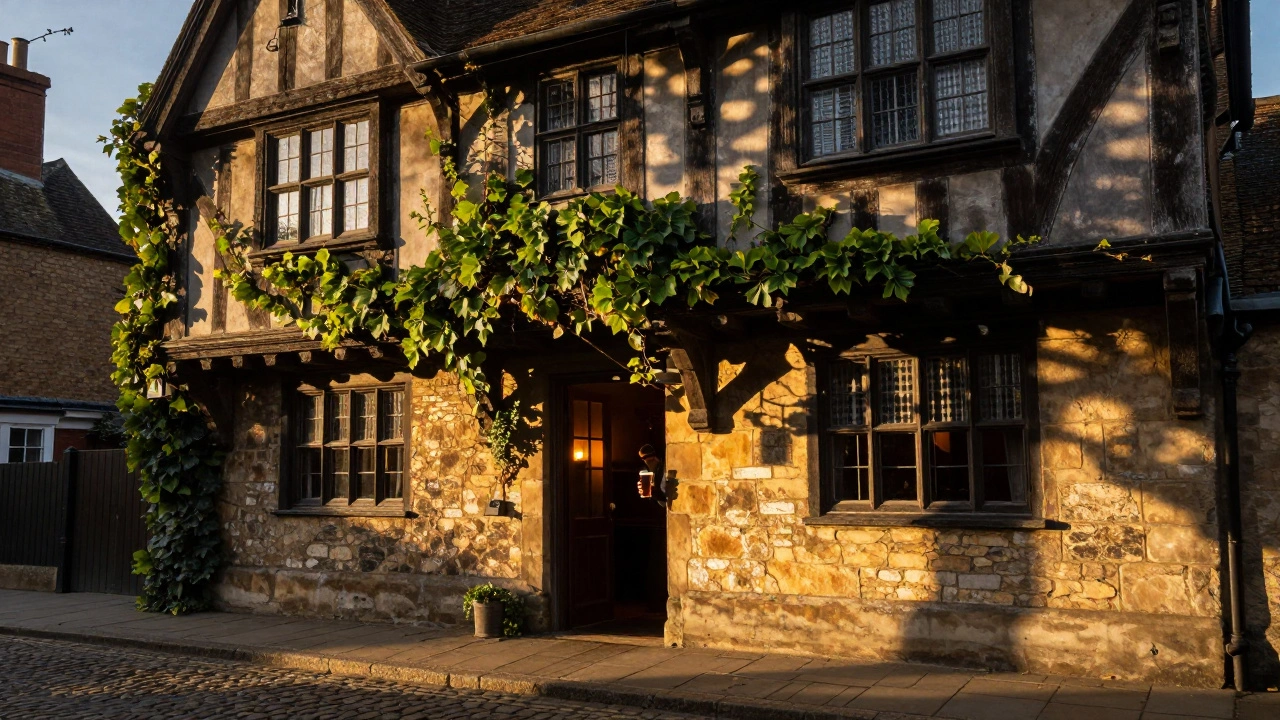
Walk down any cobbled alley in London and you’ll find a pub that’s been serving ale since before your great-grandparents were born. These aren’t just places to grab a drink-they’re living museums, each with a story carved into its wooden beams, stained glass, and cracked brickwork. And if you’ve ever scrolled through Instagram wondering where to next snap a photo that actually looks like it belongs in a travel magazine, you’re in the right place. London’s historic pubs are some of the most photogenic spots in the city, and their interiors and facades don’t just look good-they feel like stepping into another century.
Why These Pubs Are Perfect for Instagram
Most people think of the Thames, Big Ben, or the London Eye when they picture London for photos. But those spots are crowded, overused, and often lit poorly at golden hour. The real magic? The hidden corners of pubs that haven’t changed in 200 years. Think dark oak panelling, gaslight-style fixtures, hand-painted tiles, and leather armchairs worn smooth by generations of patrons. These aren’t staged props. They’re authentic. And that’s what makes them stand out on Instagram.
Unlike modern cafes with white walls and minimalist tables, these pubs have texture. Light bounces off brass railings. Shadows pool under heavy curtains. The way the sun hits a 19th-century bar mirror? It’s cinematic. And because these places aren’t designed for influencers, you won’t find a dozen people posing in front of the same corner. You’ll find quiet, real moments.
Five Pubs You Can’t Miss
Not all historic pubs are created equal. Some are tourist traps with fake beams and overpriced pints. These five? They’ve held onto their soul.
- The Spaniard’s Inn (Hampstead): Built in 1585, this place has hosted Dickens, Keats, and Shelley. The facade is a mix of half-timbered wood and ivy-covered stone. Inside, the low ceilings and candlelit nooks make for moody, atmospheric shots. The back garden, tucked behind a wrought-iron gate, is one of the few remaining 18th-century pub gardens in London.
- The Prospect of Whitby (Wapping): Dating back to 1520, it’s one of London’s oldest riverside pubs. Its wooden beams are blackened with age, and the windows look out over the Thames like old ship portholes. The sign outside-a painted ship with a crow’s nest-is iconic. Shoot here at dusk when the lights flicker on and the river glows.
- The George Inn (Southwark): The last remaining galleried coaching inn in London. Built in 1677, it has a seven-story timber frame with balconies that wrap around the courtyard. The interior is all exposed brick, hanging copper pots, and a massive fireplace that still gets lit in winter. The courtyard is quiet before noon-perfect for wide-angle shots of the architecture.
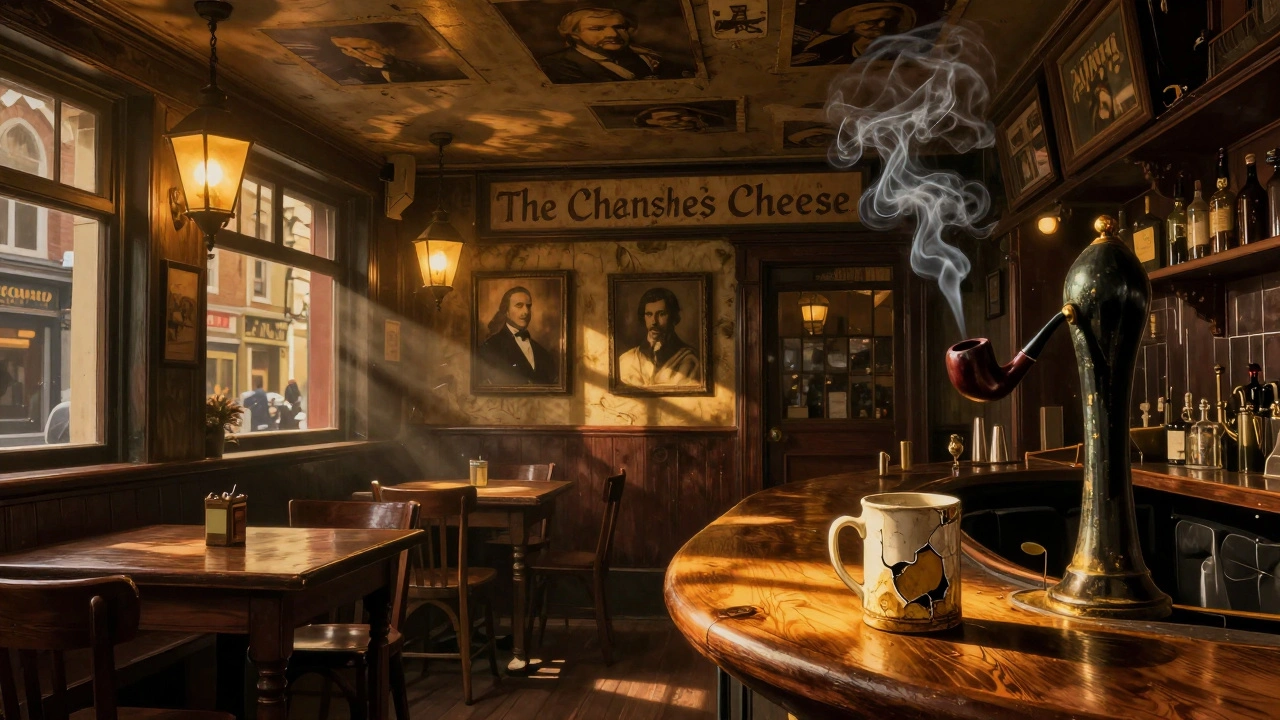
- The Cheshire Cheese (Fleet Street): Hidden down a narrow passage, this 17th-century pub has a labyrinth of rooms with mismatched tables, flickering lanterns, and a bar made from a single slab of walnut. The walls are lined with portraits of writers who once drank here. The ceiling is low, the air is thick with pipe smoke (real, not staged), and the lighting? Pure golden hour.
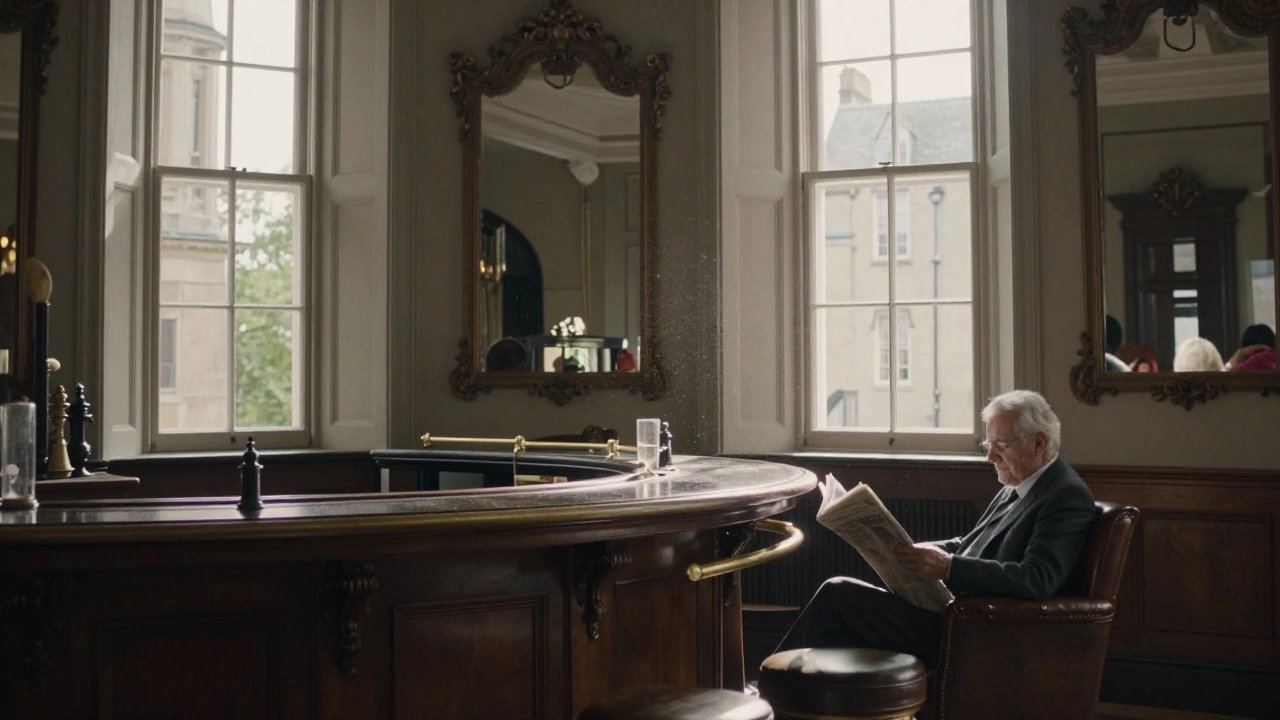
- The Salisbury (St. James’s): A 1750s gem with a curved mahogany bar that wraps around the room like a hug. The stained glass above the fireplace shows hunting scenes from the 1800s. The mirrors are original, hand-blown, and slightly warped-adding a dreamy blur to reflections. It’s quiet during the day, and the light through the tall windows is soft and warm.
Photography Tips for Shooting Inside
You don’t need a fancy camera to get great shots. But you do need to work with the light.
- Shoot early or late-pubs are darkest between 11 a.m. and 3 p.m. The best light comes in the hour after sunrise or before sunset, when the sun hits the windows at a shallow angle.
- Use natural light only-flash ruins the mood. If you’re using a phone, switch to Night Mode. If you’re using a DSLR, open your aperture to f/2.8 or wider and bump your ISO to 800-1600. You’ll get grain, but it adds character.
- Focus on details-a cracked mug, a tarnished beer pump, a single candle on a wooden table. These tiny things tell the story better than a wide shot of the whole room.
- Wait for people-a lone barman polishing a glass, a customer reading a newspaper, an old man with a pipe. They add life without cluttering the frame.
- Shoot in RAW-even if you’re on your phone. You’ll need the extra data to fix shadows and bring out the warm tones in the wood.
What to Avoid
Some of these pubs are still working pubs. That means:
- Don’t block the bar or linger too long with a tripod. You’re a guest, not a tourist.
- Don’t ask for a “photo op.” Staff don’t run guided tours. Just be respectful, buy a drink, and shoot quietly.
- Avoid using filters that make everything look like a vintage Instagram preset. The real charm is in the imperfections-dust on the glass, scratches on the wood, the uneven glow of old bulbs.
Why These Places Still Matter
These pubs survived wars, plagues, and urban redevelopment. They didn’t get renovated into boutique hotels or turned into cocktail bars with $20 gin tonics. They stayed true. And that’s why they’re still full-of locals, of artists, of writers, of people who just want to sit with a pint and listen to the creak of the floorboards.
When you photograph them, you’re not just capturing a building. You’re capturing continuity. A tradition. A quiet rebellion against the fast, the fake, and the filtered.
What’s Next?
If you’ve got a few hours, walk from The Cheshire Cheese to The Salisbury through Fleet Street and St. James’s. The pubs are close enough to explore on foot, and each one tells a different chapter of London’s story. Bring a notebook. Take a photo. Then sit down. Order a pint. Let the place breathe around you.
Can I take photos inside historic London pubs without asking?
Yes, as long as you’re respectful. Most pubs welcome photography, especially if you’re not using tripods, flash, or blocking walkways. Always buy a drink first-it’s a silent thank you. If a staff member asks you to stop, comply immediately. These are working spaces, not museums.
Which pub has the best lighting for photos?
The Salisbury in St. James’s has the most consistent natural light during the day, thanks to its tall, unobstructed windows. The Cheshire Cheese is best at dusk, when the lanterns glow and the low ceiling creates soft shadows. The Spaniard’s Inn works well in the late afternoon when sunlight filters through the garden trees.
Are these pubs open to the public every day?
Yes, all five are open daily, though hours vary. Most open around 11 a.m. and close between 11 p.m. and midnight. Some, like The George Inn, close early on Sundays (around 7 p.m.). Check their websites before visiting-some have private events on weekends.
Do I need a camera with manual settings to get good shots?
No. Modern smartphones with Night Mode do an excellent job in low light. The key isn’t gear-it’s timing and composition. Shoot when the light is soft, focus on textures, and avoid cluttered backgrounds. A phone in Night Mode, held steady, will outperform a DSLR with flash in these settings.
Are there any pubs I should skip for Instagram?
Avoid pubs that have been heavily modernized or turned into themed attractions-like the ones with neon signs, fake Victorian decor, or staff dressed as Tudor characters. Stick to places that still serve real ale, have real history, and haven’t changed their layout in decades. If it feels like a set, it probably is.
Final Thought
The best photos aren’t taken-they’re earned. You don’t just walk into a pub, snap a picture, and leave. You sit. You watch. You let the place reveal itself. And when you finally lift your phone or camera, you’ll realize you’re not photographing a pub. You’re photographing time.