The Logic Behind Bank Holidays
Why are they called "bank holidays" instead of just "public holidays"? Historically, the Bank Holidays Act of 1871 created these days specifically to give workers a break, starting with the banking sector. Today, they usually fall on Mondays to create a three-day weekend, which is a goldmine for the hospitality industry but a nightmare for anyone trying to get a train to London during a peak travel window.One quirk you'll notice is the "substitute day." If a fixed-date holiday, like Christmas Day, falls on a weekend, the government moves the public holiday to the next Monday. This ensures that the working population doesn't "lose" their day of rest, though it often confuses visitors who see the shops open on the actual holiday but closed the following Monday.
Winter Traditions and the December Rush
December is the most intense month for celebrations. While Christmas is the obvious heavyweight, the way it's celebrated in the UK has a specific flavor. We have "Boxing Day" on December 26th, which started as a day to give gifts to servants and tradespeople. Now, it's more about eating leftover turkey and watching football matches or hitting the high street for the massive sales.
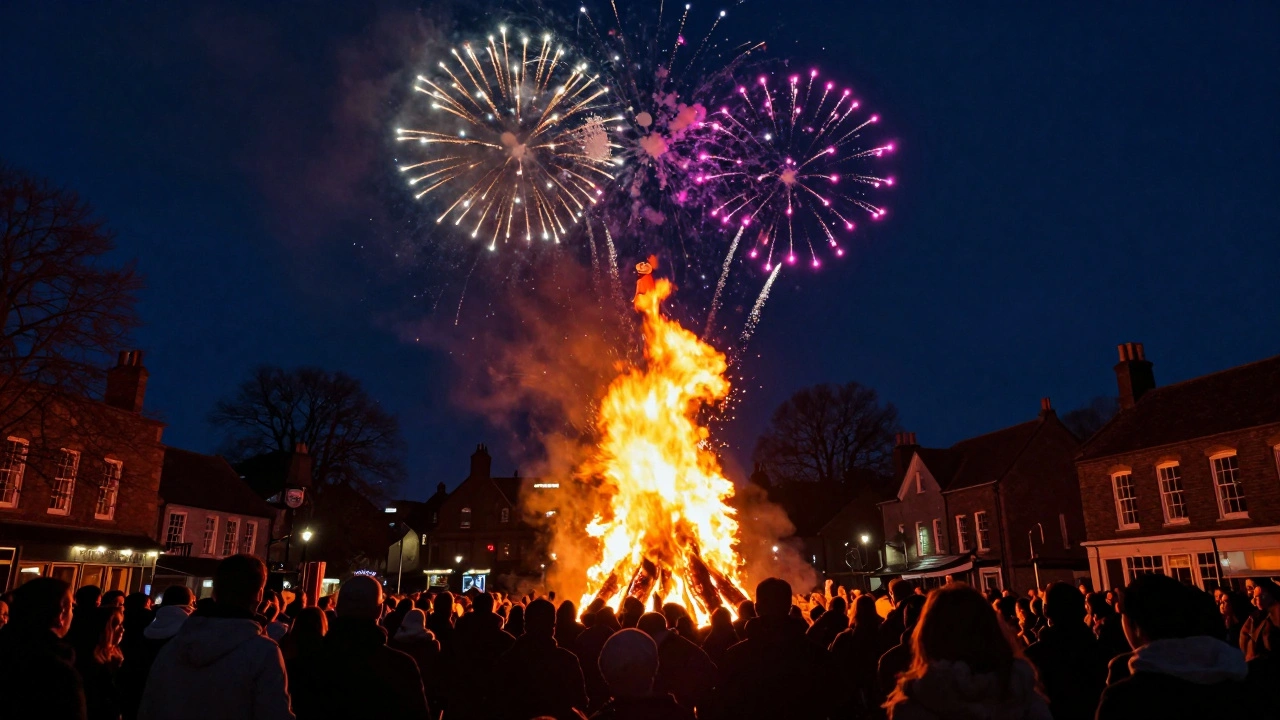
Then there is Bonfire Night, also known as Guy Fawkes Night, on November 5th. This isn't a public holiday where you get the day off, but it's a cultural staple. People build massive fires and burn effigies (the "Guy") to commemorate the failed Gunpowder Plot of 1605. It's a night of fireworks and toasted marshmallows, though in cities like London, the displays can be truly spectacular.
| Celebration | Date | Status | Key Activity |
|---|---|---|---|
| Bonfire Night | Nov 5 | Cultural Event | Fireworks & Bonfires |
| Christmas Day | Dec 25 | Public Holiday | Family dinner & Gifts |
| Boxing Day | Dec 26 | Bank Holiday | Shopping & Sports |
| New Year's Day | Jan 1 | Bank Holiday | Recovery & Family |
Spring Rituals and the Return of the Sun
As the weather shifts, the UK celebrates Easter. This is a floating holiday, but it always involves a bank holiday on Good Friday and another on Easter Monday. For many, this is the first "real" break of the year. You'll see parks filled with people hunting for chocolate eggs and families gathering for a traditional roast dinner.
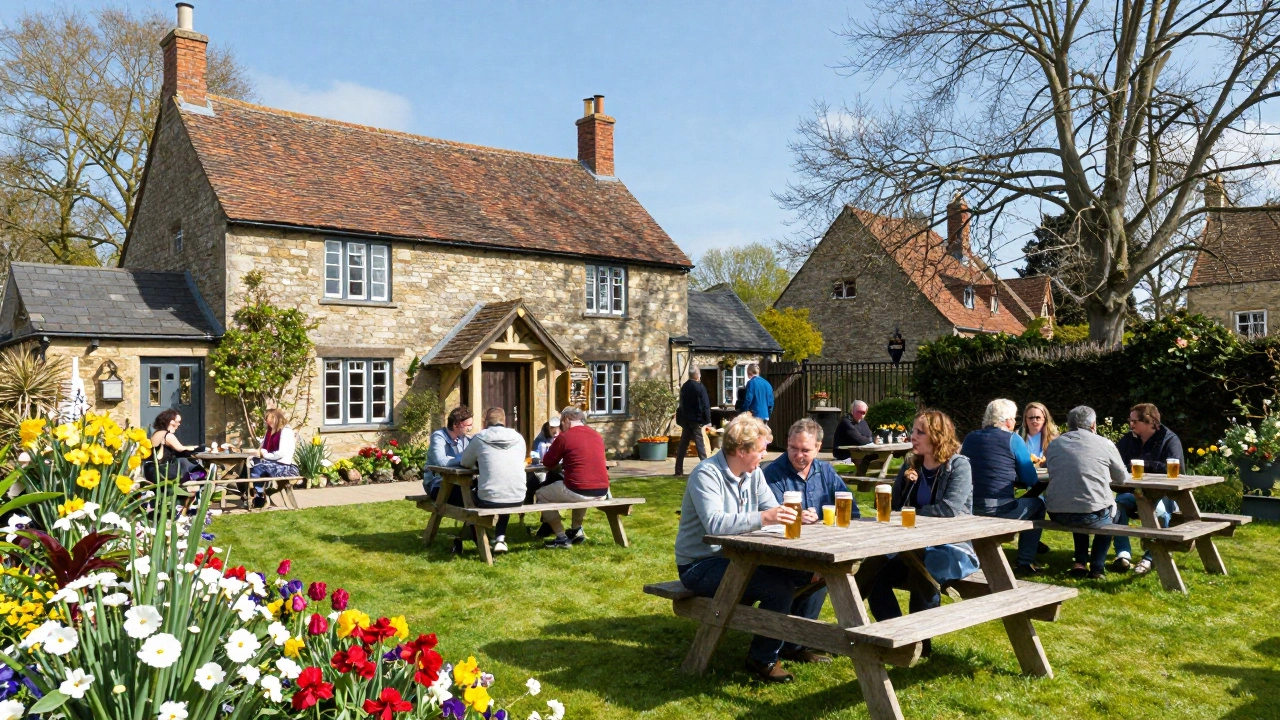
Then comes the most anticipated day for many: Early May Bank Holiday. This is the unofficial start of outdoor season. If the sun is out, every pub garden in the country will be packed. The British obsession with the weather means that a sunny bank holiday is treated like a national emergency-everyone drops everything to be outside, regardless of the actual temperature.
Summer Vibes and Royal Occasions
Summer is dominated by the August Bank Holiday. In England and Wales, this falls on the last Monday of August. It's often the peak of the "staycation" season. You'll see a surge of traffic heading toward Cornwall or the Lake District. It's also the time for the Nottingham Caribbean Carnival and other community festivals that showcase the diverse cultural heritage of the modern UK.
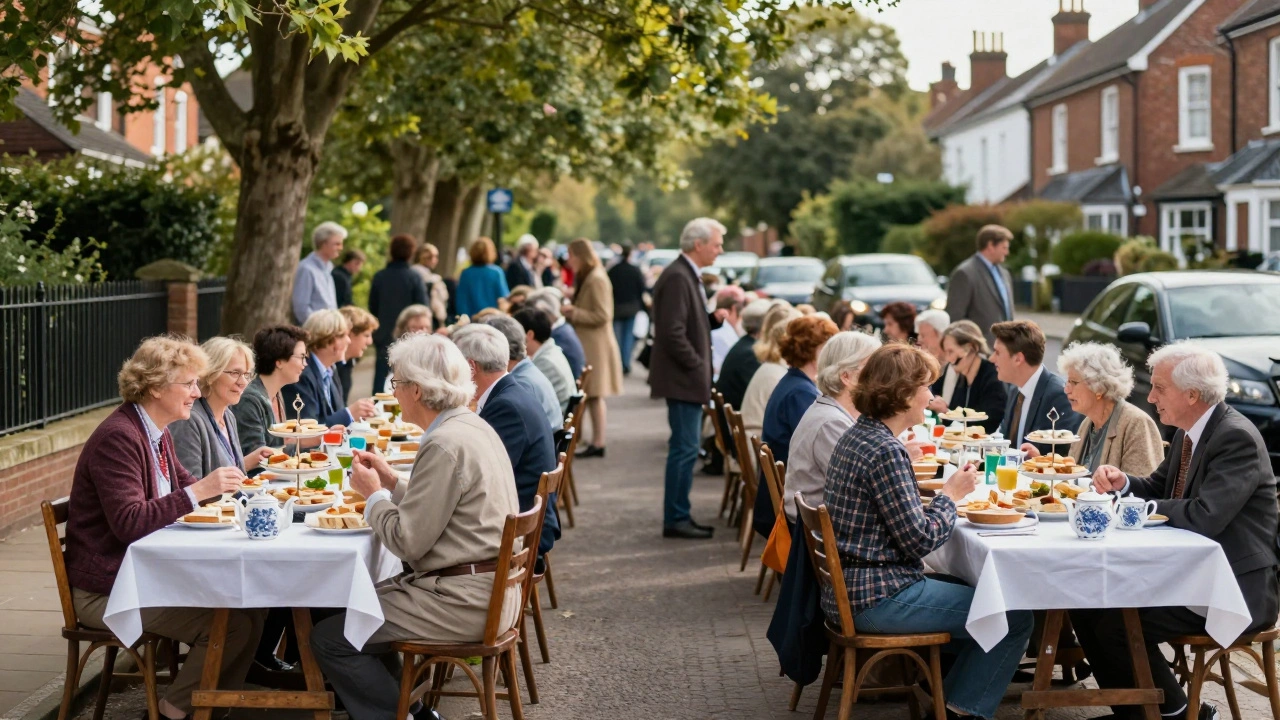
Unlike many other countries, the UK doesn't have a fixed "National Day" like the 4th of July. Instead, we have events tied to the Monarchy. While not always a bank holiday, events like a Coronation or a Platinum Jubilee create a festive atmosphere across the country. These occasions often involve "Street Parties," where neighbors block off their roads and put out long tables of sandwiches, cakes, and tea. It's one of the few times you'll see a whole street of strangers actually talking to one another.
The Regional Divide: Scotland and Northern Ireland
You can't talk about UK celebrations without mentioning that the four nations don't always celebrate the same things. In Scotland, St Andrew's Day (November 30) is a point of pride, and Hogmanay (the Scottish New Year) is far more significant than the New Year celebrations in London. Hogmanay involves "first-footing," where the first person to cross the threshold of a home in the New Year brings gifts like coal or shortbread for good luck.
In Northern Ireland, you'll find distinct traditions like the "Twelfth of July," which is deeply tied to the region's complex political and religious history. While it's not a nationwide bank holiday, it's a massive event in many communities, involving parades and banners that tell a story of heritage and identity.
Pro Tips for Navigating UK Holidays
If you're planning a trip or just moving here, keep these rules of thumb in mind to avoid stress:
- Book Early: If you want a hotel or a train ticket for a Bank Holiday weekend, book it weeks in advance. Prices skyrocket and availability vanishes.
- Check Store Hours: On Christmas Day, almost everything-including supermarkets-is closed. If you don't have your food bought by the 24th, you're in trouble.
- Expect Traffic: A bank holiday Monday in August means the motorways will be crawling. Give yourself double the time to get anywhere.
- Embrace the Pub: Regardless of the holiday, the local pub is usually the hub of activity. Even if it's raining, the "spirit" of the holiday lives there.
Common Pitfalls to Avoid
A big mistake visitors make is assuming that "Bank Holiday" means the entire city shuts down like a lockdown. While banks and government offices close, most shops and supermarkets remain open, though often with reduced hours. You won't find a ghost town, but you will find very long queues at the checkout.
Another trap is the "holiday mood." British people are generally reserved, but during bank holidays, the social atmosphere loosens. Don't be surprised if your usually quiet neighbor is suddenly grilling burgers in the garden at 11 AM on a Monday. It's the one time of the year where the rigid work-life boundary becomes a bit blurry.
What is the difference between a public holiday and a bank holiday in the UK?
In practical terms, they are often used interchangeably. However, a bank holiday is technically a day when banks are closed by law. Most public holidays in the UK are also bank holidays, but the term "bank holiday" is the more common way people refer to their long weekends.
Do I get paid if I have to work on a Bank Holiday?
It depends entirely on your employment contract. There is no legal requirement in the UK for employers to pay "time-and-a-half" or double pay on bank holidays, although many companies do offer it as a perk or provide a "day in lieu" (a different day off to make up for it).
When is the next bank holiday in the UK?
Bank holidays vary by year and region. Generally, you can expect one in early May, one at the end of May (Spring Bank Holiday), and one at the end of August. Check the official government website for the exact dates for the current calendar year.
Is Boxing Day a real holiday?
Yes, it is a bank holiday in the UK. While it was originally about charity and giving to those less fortunate, it has evolved into a day for family relaxation and massive retail sales. Many people spend the day watching the Boxing Day fixtures in the Premier League.
What is the most important holiday in British culture?
Christmas is undoubtedly the biggest in terms of scale, family gathering, and economic impact. However, the bank holiday weekends in May and August are arguably more important for the "British way of life," as they define the national approach to leisure and the outdoors.
What to do next
If you're looking to experience these traditions firsthand, try visiting a local village fête during the summer bank holidays or attending a Bonfire Night event in November. To get a deeper understanding of the historical side, exploring the archives of the National Trust can give you a sense of how these celebrations have evolved from the Victorian era to the present day. If you're in Scotland, make sure to be in Edinburgh for the Hogmanay festivities-it's a global event that defines the Scottish spirit.