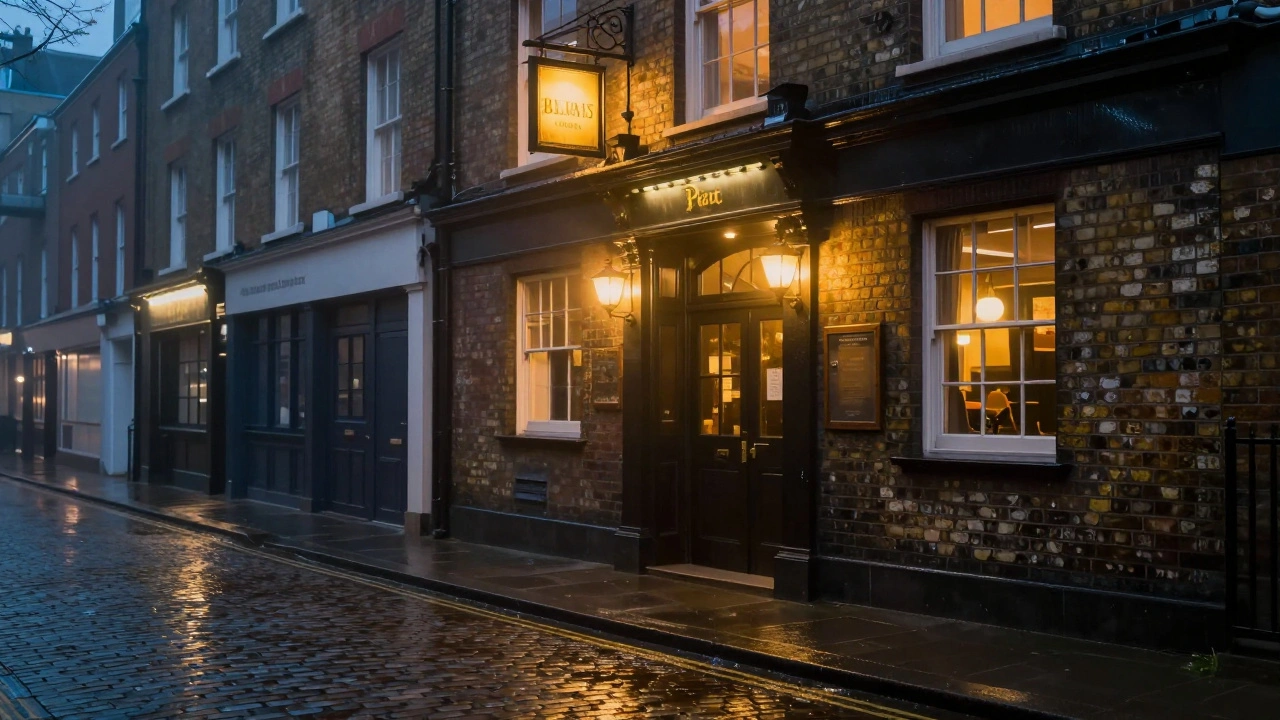
Quick Guide to the London Pub Experience
- The Vibe: Look for "Real Ale" signs for a truly traditional taste.
- The Order: A "pint" is the standard; a "half" is for those pacing themselves.
- The Etiquette: In many traditional spots, you order and pay at the bar rather than waiting for a server.
- The Food: Sunday Roast is the non-negotiable weekly ritual.
What Actually Makes a Pub "Traditional"?
Not every place serving beer is a pub. To understand traditional British pub culture is a social phenomenon centered around community gathering, local drinking, and heritage architecture, you have to look at the details. A true traditional pub usually features a distinct separation of spaces. You'll often find the "Public Bar," which was historically for the working class, and the "Saloon," which was a bit fancier for the middle class. While those strict lines have faded, the layout remains in many historic spots.
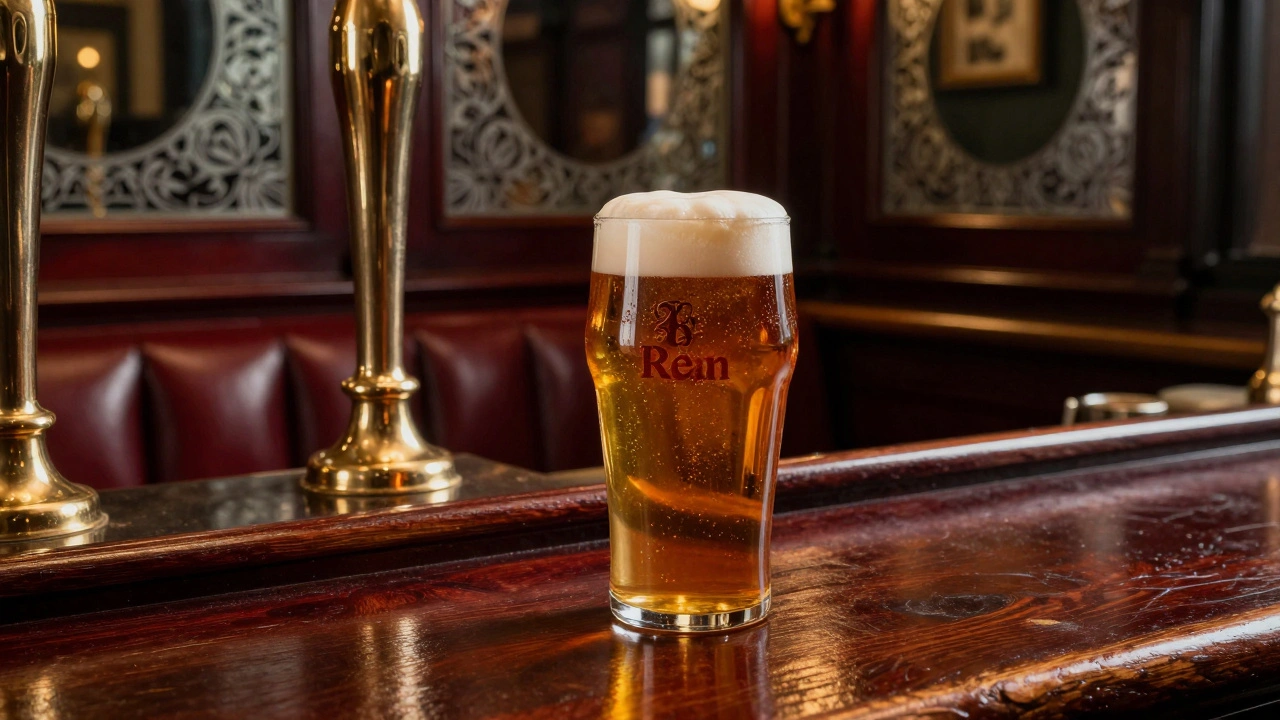
Then there's the furniture. We're talking about heavy mahogany counters, etched glass mirrors, and those deep-red leather booths that have absorbed the secrets of thousands of patrons. Many of these establishments are Grade II Listed buildings, meaning they are legally protected because of their architectural or historic importance. When you sit in a pub like The George Inn, you're sitting in a place that has seen the likes of Charles Dickens and Samuel Pepys.
The Art of the Pint: Ale and Cider
You can't talk about pubs without talking about the liquid. While lagers are popular, the soul of the British pub is Real Ale. Unlike mass-produced keg beers, Real Ale is beer brewed using traditional methods and served without forced carbonation. It's often pulled from a hand-pump, which is why you'll see the handles moving up and down.
If you're not into hops, Cider-especially the dry, crisp versions from Somerset or Herefordshire-is the go-to. The drink is a social lubricant. In London, the "round" system is the law of the land. If you're with a group of four, one person buys four drinks. Then, the next person does the same. If you forget your turn, you've committed a major social faux pas.
| Drink Type | Characteristics | Best For | Typical Texture |
|---|---|---|---|
| Real Ale | Cask-conditioned, lower CO2 | Slow sipping, tasting | Creamy, rich |
| Lager | Cold, crisp, carbonated | Hot summer days | Light, bubbly |
| Stout | Dark, roasted malt | Winter evenings | Heavy, velvety |
| Dry Cider | Apple-based, fermented | Refreshment | Sharp, crisp |
The Gastropub Revolution
For decades, "pub grub" meant a greasy plate of fish and chips or a bland pie. That changed with the rise of the Gastropub. This is a hybrid where the food is just as important as the drink. Chefs started applying fine-dining techniques to rustic settings, turning the humble pub into a culinary destination.
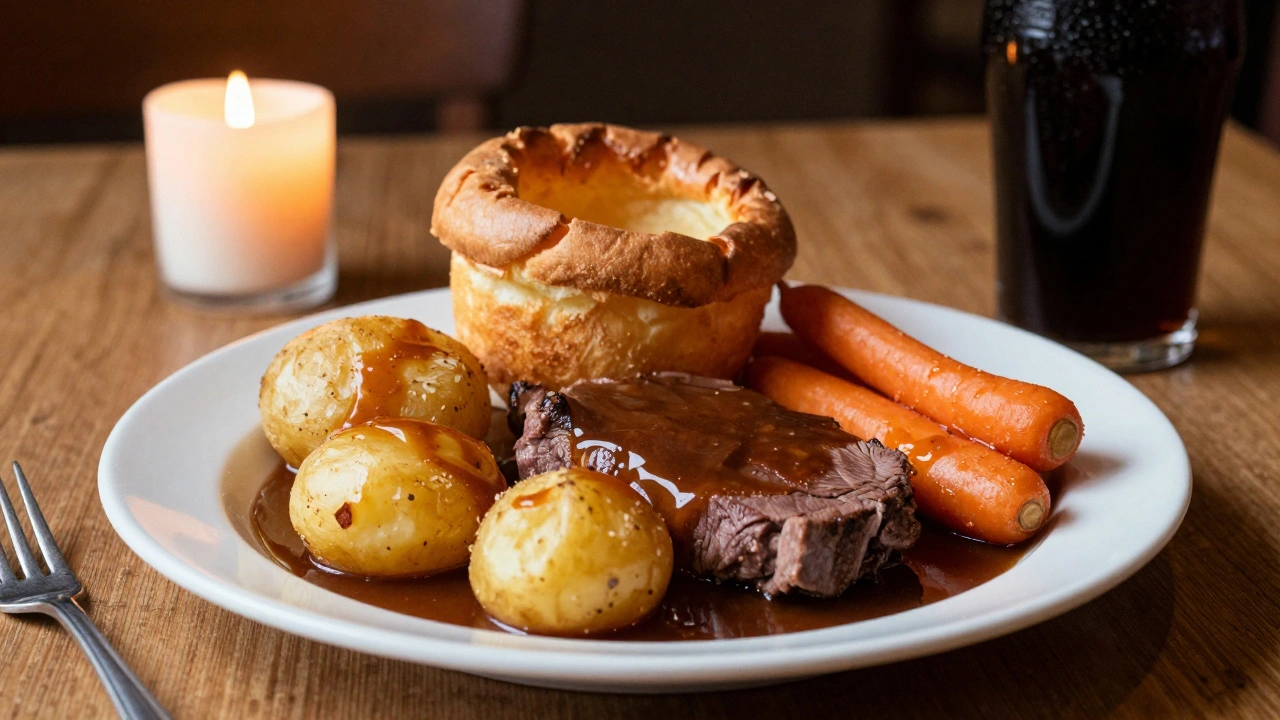
A classic example is the Sunday Roast. This isn't just a meal; it's a weekly pilgrimage. You'll get roast beef, potatoes (crispy on the outside, fluffy inside), carrots, parsnips, and the all-important Yorkshire Pudding, all drenched in a rich gravy. It's the kind of meal that puts you into a food coma for the rest of the afternoon, which is exactly the point.
Finding the Best Pubs by Neighborhood
London is too big to tackle as one entity. Depending on where you are, the pub culture shifts. In Covent Garden, you'll find pubs that are breathtakingly beautiful but often crowded with tourists. They are great for a photo, but if you want the "real" experience, head slightly off the main path.
If you want history, the City of London (the square mile) has pubs that date back to the Great Fire of 1666. These spots often have tiny, hidden courtyards where bankers and lawyers hide away from their desks. In East London, the vibe is more eclectic, with old warehouses converted into breweries that still maintain a gritty, working-class spirit.
The Unwritten Rules of the British Pub
To blend in, you need to know how the place works. First, don't expect a menu to be handed to you the moment you sit down. In a traditional boozer, you might have to walk up to the bar and look at a chalkboard. Second, the "fireplace" is the most valuable real estate in the building. If a seat opens up by the fire in December, grab it quickly.
Also, be aware of the "Local." Every pub has a few regulars who have sat in the same stool for thirty years. They are the guardians of the pub's history. A polite nod or a comment about the weather is usually enough to earn their respect. Just don't try to move their coaster-that's a declaration of war.
Beyond the Alcohol: The Social Role
Why do these places still exist in an age of fancy cocktail bars and home delivery? Because the pub is the "third place." It's not home, and it's not work. It's the neutral ground where a plumber can argue about football with a CEO. It's where people go to mourn, to celebrate, or simply to be alone in a room full of people.
Many pubs also host Pub Quizzes, which are fiercely competitive events that bring the whole street together. It's a test of useless knowledge and a way to bond with neighbors you've seen for years but never actually spoken to.
Do I need to dress up to visit a traditional London pub?
Not at all. Most traditional pubs are very casual. Jeans and a t-shirt are perfectly fine. Some high-end gastropubs might be a bit more polished, but in 95% of London pubs, you'll be welcomed regardless of your outfit as long as you're polite.
What is a "Session Ale"?
A session ale is a beer with a lower alcohol content (usually around 3-4.5% ABV). It's designed so you can drink a few over a long period-a "session"-without getting too drunk too quickly. It's the ideal choice for a long afternoon of chatting.
Is it okay to order food at the bar?
In very traditional "wet pubs" (which only serve drinks), there is no food. In gastropubs, you usually order food at the bar or via a QR code on the table, but you'll almost always order your drinks at the bar first.
What should I do if I don't drink alcohol?
London has seen a massive surge in high-quality alcohol-free options. Look for "0.0%" lagers or craft non-alcoholic ales. Most pubs also serve soft drinks, ginger beer, or lemonade, and no one will judge you for ordering one.
How do I know if a pub is actually "historic"?
Look for signs of age: thick stone walls, low ceilings with wooden beams, and old signage. Often, pubs will have a small plaque or a mention of their founding date (e.g., "Est. 1740") near the entrance. If the floorboards creak and the walls are slightly slanted, you're likely in a historic spot.
What to do next
If you're planning a trip, start by picking one neighborhood-maybe Bloomsbury or Southwark-and spend a whole afternoon "pub crawling." Don't just go to the most famous ones on TripAdvisor; walk down a side street and find the place with the most worn-out carpet and a handwritten menu. That's where the real stories are. If you're feeling bold, try a meat pie and a pint of local bitter, and just listen to the conversations around you. You'll learn more about London in two hours at a pub than in two days at a museum.