Quick Takeaways for Your Stay
- Mayfair is the gold standard for old-world elegance and discreet luxury.
- The Savoy remains the ultimate choice for historic prestige and world-class service.
- The Shangri-La offers the best modern skyline views from the Shard.
- Look for Butler Service and Michelin-starred dining as markers of true ultra-luxury.
- Booking during the "shoulder seasons" (late autumn or early spring) often unlocks better suite upgrades.
Defining the 5-Star Standard in the Capital
What actually makes a hotel a luxury property? In London, a 5-star rating is the baseline. To find the real gems, you have to look at the Luxury Hotels in London is a category of high-end hospitality establishments that provide exceptional service, opulent interiors, and comprehensive amenities to international travelers and affluent locals.
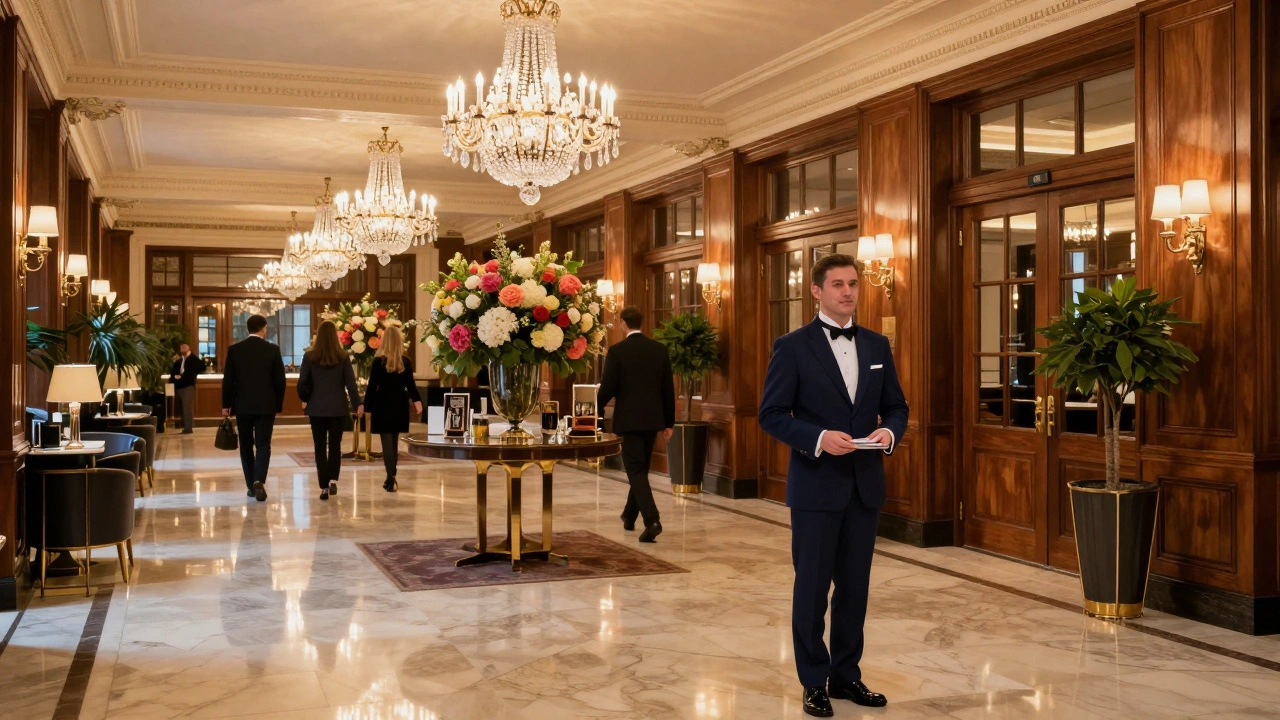
True luxury is about removing friction. It's not just about having a gold-plated faucet; it's about the hotel anticipating you want a gin and tonic at 6 PM and having it ready. You'll find that properties in areas like Mayfair often lean into this traditional, high-touch service. Here, the focus is on heritage and privacy. Meanwhile, newer openings in The City or South Bank focus more on architectural awe and cutting-edge technology.
The Icons: Where Tradition Meets Opulence
If you want the quintessential London experience, you can't ignore the heavy hitters. The Savoy is perhaps the most famous example. It's not just a hotel; it's a landmark. When you stay here, you're walking the same halls as Marilyn Monroe and Winston Churchill. The service is legendary, and the American Bar is a must-visit regardless of whether you're staying the night.
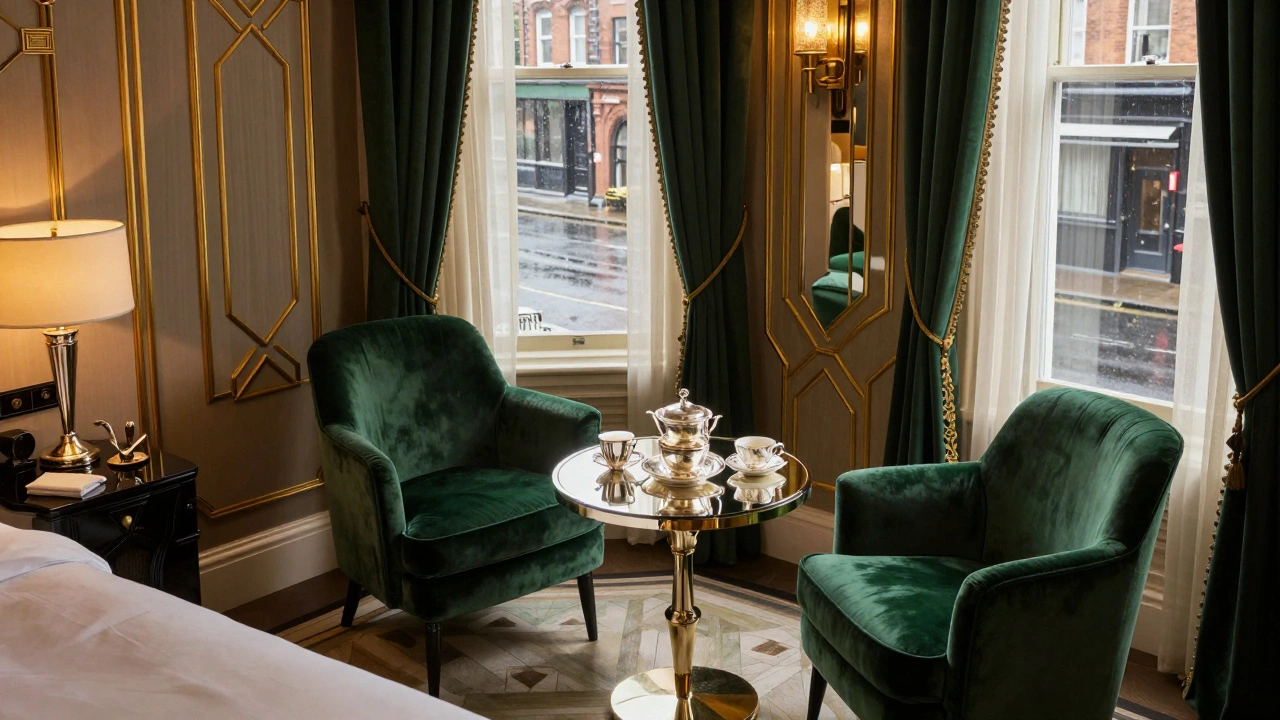
Then there is Claridge's. Known as the "annexe to Buckingham Palace," this hotel is the peak of Art Deco style. The experience here is less about the room and more about the atmosphere. The tea service is an event in itself, and the discretion is absolute. If you're a public figure or simply want to feel like royalty for a weekend, this is the spot.
For those who prefer a bit more edge with their luxury, The Ritz London offers a level of formality that is rare even by London standards. Think white-glove service and a dress code that encourages you to bring out your finest attire. It's a time capsule of elegance that refuses to compromise on tradition.
Modern Marvels and Skyline Views
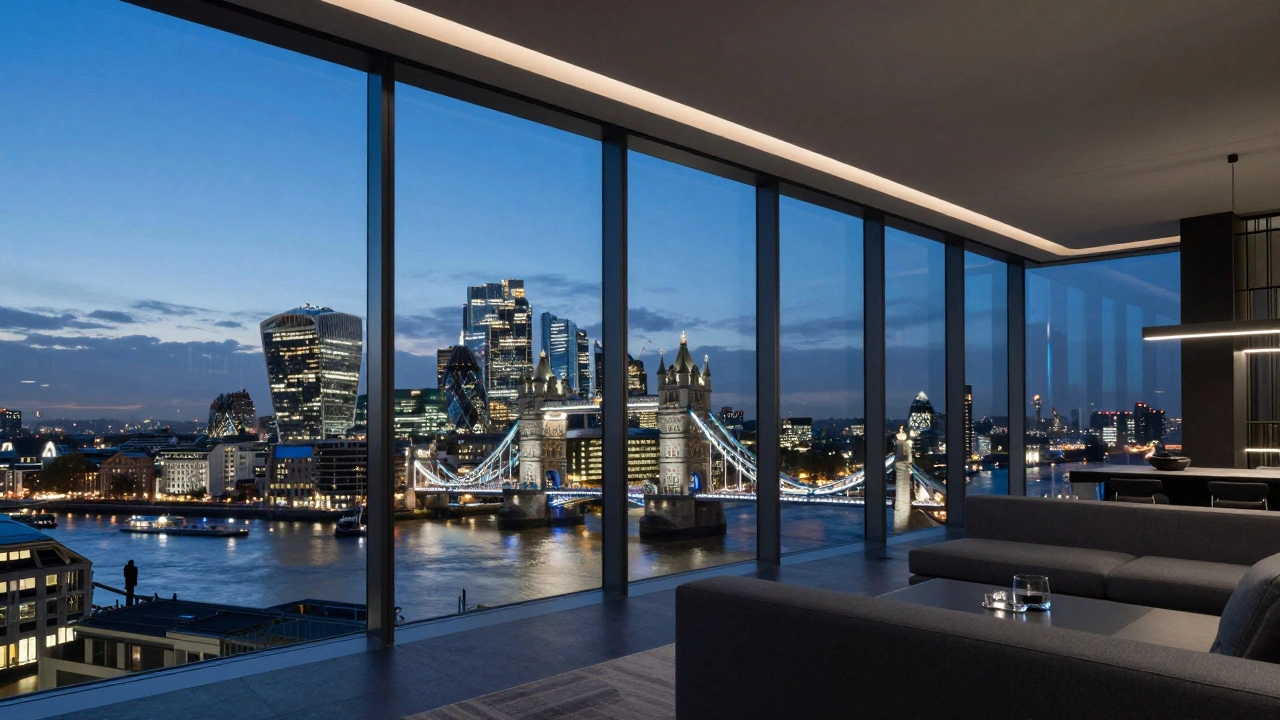
Not everyone wants a velvet curtain and a mahogany desk. Some travelers want floor-to-ceiling glass and a view that makes them feel like they own the city. Shangri-La The Shard is the obvious choice here. Because it's located in The Shard, the tallest building in Western Europe, you get a perspective of London that is simply unmatched. The rooms feel like luxury apartments in the sky.
Another modern powerhouse is the The Edition. This property blends the minimalism of modern design with a high-energy social scene. It's less about the quiet hush of Mayfair and more about the buzz of a contemporary metropolis. The amenities here focus on wellness and high-end gastronomy, catering to a younger, wealthier crowd.
| Hotel | Vibe | Key Attribute | Best For |
|---|---|---|---|
| The Savoy | Classic / Historic | Legendary Butler Service | Heritage Lovers |
| Claridge's | Art Deco / Elite | Ultimate Discretion | High-Profile Guests |
| Shangri-La | Contemporary / Airy | Panoramic City Views | Romantic Getaways |
| The Ritz | Formal / Grand | Traditional Afternoon Tea | Formal Elegance |
| The Edition | Sleek / Social | Modern Design | Young Professionals |
Must-Have Amenities: What to Look For
When you're paying £1,000 a night or more, the "standard" amenities like free Wi-Fi and a gym aren't enough. You should be looking for specialized services that elevate the stay. A true luxury property should offer a Concierge service that can get you a table at a fully booked Michelin Star Restaurant or tickets to a sold-out West End show on ten minutes' notice.
In-room luxury has also evolved. Look for "pillow menus" where you can choose the firmness and material of your bedding, or bathrobes made from Egyptian cotton. Many of the top hotels now include smart-room technology that allows you to control lighting, temperature, and curtains from a single tablet, though the best ones ensure the tech doesn't get in the way of the human touch.
The Spa experience is another huge differentiator. A basic gym isn't a luxury. You want a full-service wellness center offering hydrotherapy, personalized facial treatments, and perhaps a rooftop pool. Properties like the Rosewood London have mastered the art of creating a sanctuary within the city, where the noise of the traffic disappears the moment you enter the lobby.
Choosing the Right Neighborhood
Where you stay in London determines your entire trip. If you want to be in the heart of high fashion and jewelry, Mayfair is the only choice. It's quiet, safe, and smells of expensive perfume and old money. This is where you'll find the most concentrated cluster of five-star hotels.
If you prefer the artistic and eclectic side of the city, look toward Kensington and Chelsea. These areas offer more boutique luxury-think smaller properties with more character and a residential feel. You're closer to the museums and the Hyde Park, making it a better choice for families who still want a high-end experience.
For those on a business trip, The City (the financial district) is the logical hub. The hotels here are often taller, sleeker, and more focused on efficiency, though they don't skimp on the luxury. The transition from a high-stakes boardroom meeting to a deep-tissue massage in a hotel spa is the hallmark of the modern London executive experience.
Common Pitfalls to Avoid When Booking
One of the biggest mistakes travelers make is booking the "standard" room in a luxury hotel. In these properties, the gap between a standard room and a junior suite can be massive. If the budget allows, always aim for the suite; that's where the real amenities, like separate living areas and larger bathrooms, actually exist.
Another trap is ignoring the "hidden" costs. Some hotels may charge a significant fee for the mini-bar or specific valet services that aren't clearly outlined. It's always worth asking for the "inclusive" package or checking if the hotel has a loyalty program that waives these costs. Even at the 5-star level, a little bit of strategic planning can save you hundreds of pounds.
Lastly, don't rely solely on online photos. Many luxury hotels have interiors that are updated every few years. Check for the most recent guest photos from the last six months to ensure the "refurbished" room you're booking actually looks the part. There is nothing worse than arriving at a luxury hotel only to find the carpet is from 1992.
Is breakfast usually included in 5-star London hotels?
Generally, no. Most ultra-luxury hotels in London treat breakfast as a separate a la carte or buffet experience. However, if you book a specific "Bed and Breakfast" package or have high-tier status with a hotel chain, it may be included. Expect to pay anywhere from £30 to £60 per person for a full English breakfast in these establishments.
What is the difference between a 5-star and a 5-star luxury hotel?
While a 5-star hotel meets high standards of facilities and service, a "luxury" or "ultra-luxury" property focuses on personalization. This includes having a dedicated butler, personalized welcome gifts, and a staff-to-guest ratio that ensures your needs are met before you even ask. It's the difference between a great hotel and a transformative experience.
When is the best time to book luxury hotels for the best rates?
London's hotel prices peak during the summer and the December holiday season. For better value, aim for the "shoulder seasons"-November or February. During these times, luxury hotels often have more vacancies and are more likely to offer complimentary room upgrades or special packages to attract guests.
Do I need to dress up to visit the lobby or restaurants of these hotels?
In most cases, yes. While the lobbies are generally welcoming to all, the fine-dining restaurants and bars within 5-star hotels often have strict dress codes. Smart-casual is usually the minimum, but avoid gym wear, flip-flops, or overly casual clothing if you plan to dine at places like The Ritz or The Savoy.
How do I request a room upgrade at a luxury hotel?
The best way is to email the hotel's guest relations manager a few days before your arrival. Be polite, mention the occasion (anniversary, birthday), and express your excitement about staying at their property. Luxury hotels pride themselves on hospitality, and if a better room is available, they are often happy to provide an upgrade to ensure a memorable guest experience.
Next Steps for Your Trip
If you're still undecided, start by narrowing down your "must-have" amenity. Do you care more about a world-class spa or a view of the Thames? Once you have that, choose your neighborhood based on where you'll spend most of your time. If you're here for shopping, stick to Mayfair. If you're here for the arts, head to Kensington.
For those who have never stayed in a 5-star property, I recommend starting with a high-tea booking. It's a lower-cost way to experience the service and atmosphere of a place like Claridge's or The Savoy without committing to a full room night. It'll give you a real feel for whether the hotel's vibe matches your personal taste.